 English▼



Linea di macchine per la produzione di celle cilindriche automatiche
fabbricazione e attrezzatura del laboratorio della batteria agli ioni di litio 18650
diagramma di flusso delle celle a bottone agli ioni di litio ed elenco delle macchine
fabbricazione e attrezzatura del laboratorio della batteria del sacchetto dello Li-ione
- Posta elettronica : David@tmaxcn.com
- Posta elettronica : Davidtmaxcn@gmail.com
- : No. 39, Xinchang Road, Xinyang, Haicang Dist., Xiamen, Fujian, China (Mainland)
blog
Battery Module Assembly for Prismatic, Pouch & Cylindrical Cells
Battery Module Assembly for Prismatic, Pouch & Cylindrical
Inconsistent welding and alignment often slow down battery module assembly, impacting overall pack quality and production throughput. Manufacturers frequently encounter bottlenecks when manual processes cannot maintain required standards for their energy storage or electric vehicle projects. Transitioning to automated setups stabilizes output and significantly reduces scrap rates for your facility. This guide outlines the essential equipment needed to build a reliable production line for prismatic, pouch, or cylindrical cells. Achieving high throughput depends on integrating the right machinery for your specific battery format.
Precision in the Assembly Process
Consistency serves as the backbone of reliable battery production. When you implement a robust , you eliminate the variability inherent in manual labor. High precision in alignment and welding forms the core of effective battery module assembly, preventing short circuits and thermal management failures. Focusing on quality control at each step ensures that the final pack meets rigorous safety standards required for modern power systems.
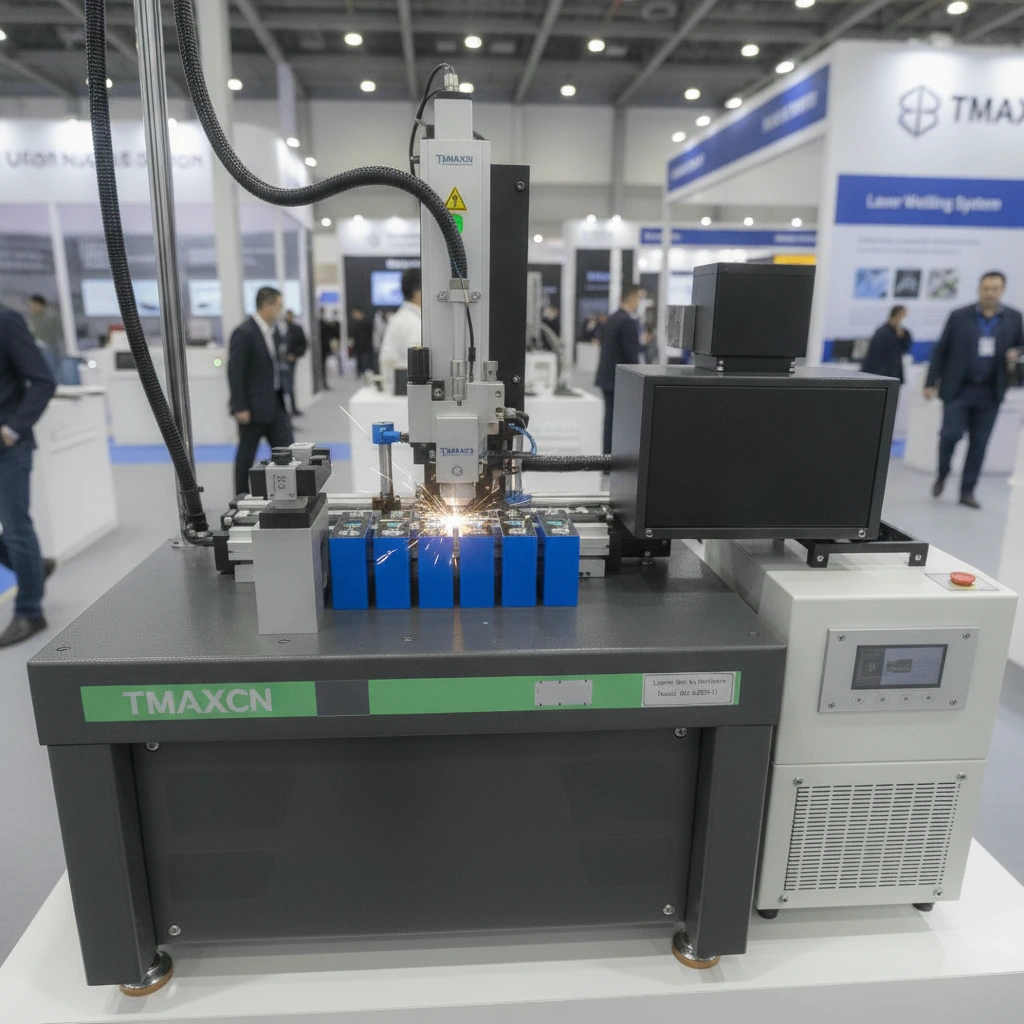
Essential Equipment for Production Lines
Selecting the right lithium battery pack equipment defines the performance limits of your facility. A standard setup integrates cell sorting, precise spot welding, and comprehensive testing modules. If you are scaling operations quickly, investing in a reduces engineering lead times by providing a verified and integrated system. These modules synchronize disparate processes into a single high efficiency flow, ensuring seamless coordination between stations.
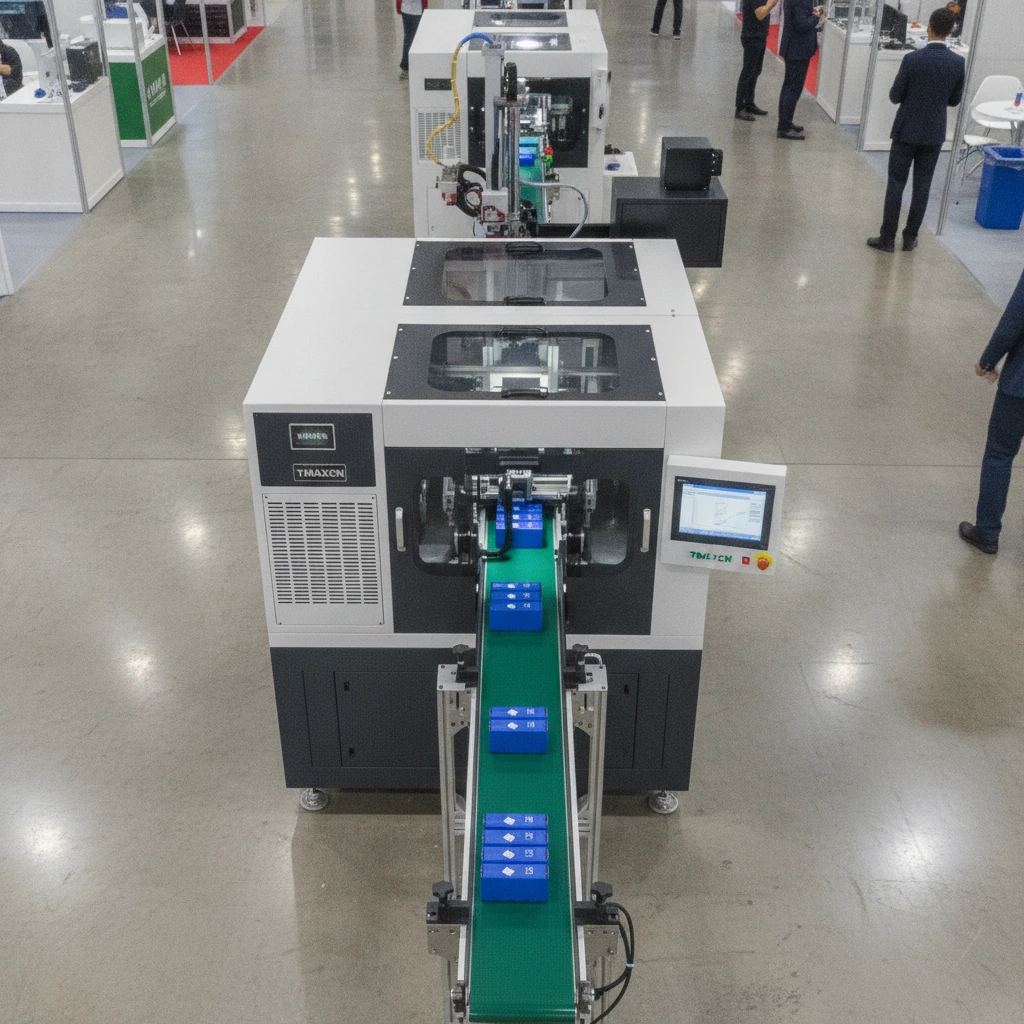
Customizing for Cell Formats
Different cells require distinct handling techniques during assembly. Prismatic cells demand rigid compression fixtures to maintain structural integrity, while cylindrical cells rely on high speed sorting and specific welding patterns. Tailoring your assembly line layout to the physical form of the cell optimizes space utilization. Modular designs allow for future scalability, ensuring your production capacity can grow alongside market demand.
FAQ
How do I choose between partially automated and fully automated assembly lines?
Your decision hinges on your target throughput and budget. Partially automated setups offer flexibility for pilot projects or low volume production. Fully automated lines maximize consistency and speed for mass manufacturing, justifying the initial investment through higher output and lower unit costs.
What is the typical lead time for a custom battery module assembly project?
 +86 13174506016
 David@tmaxcn.com


