WHAT IS A LAB-SCALE POUCH CELL LINE?
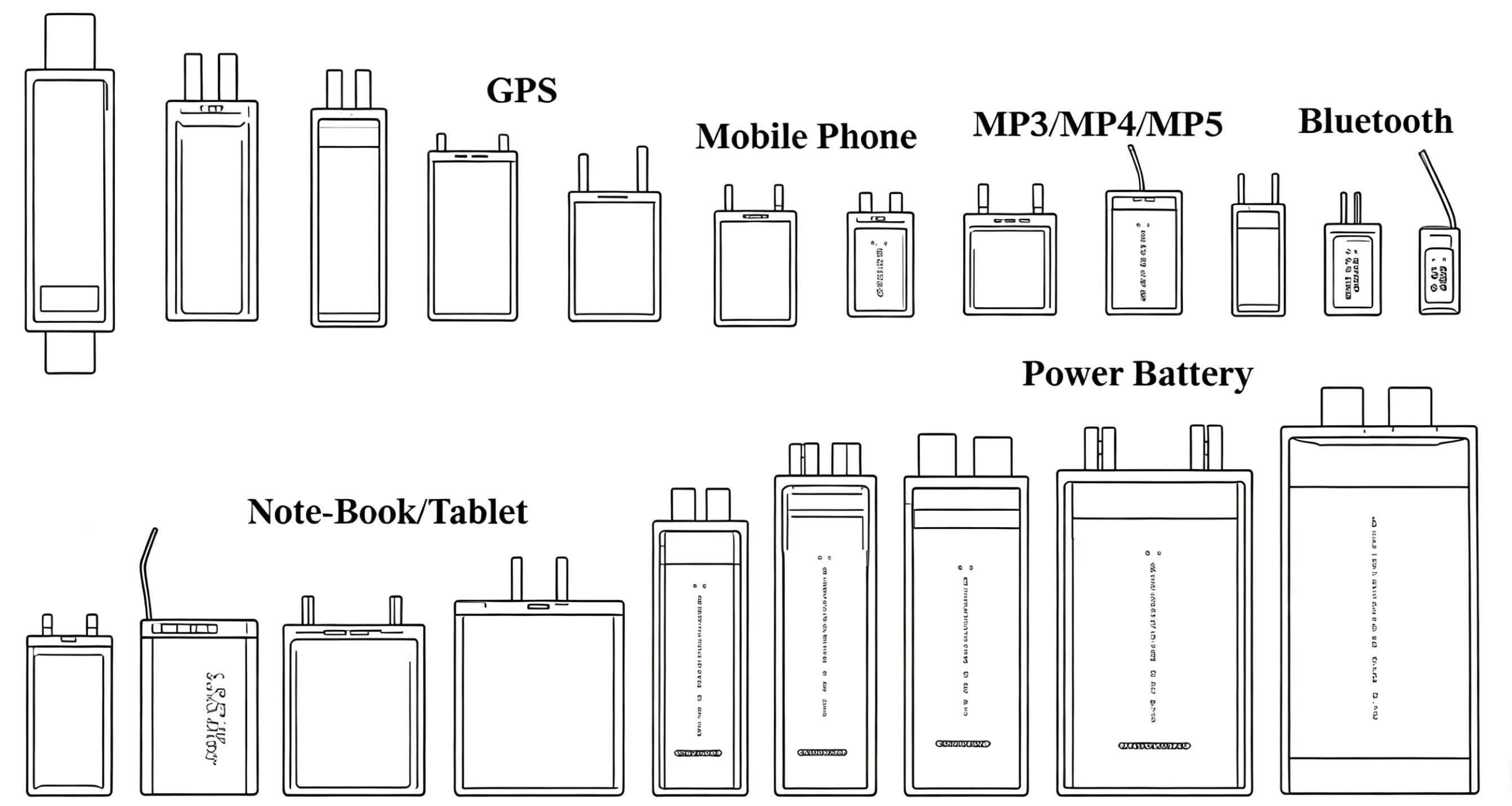
A lab-scale pouch cell production line is a compact system designed for the research and development of lithium- ion, sodium-ion, solid-state, and next- generation batteries.
Equipment configurations can be customized based on research requirements and budget.
ASSEMBLY FLOW CHART OF POUCH CELL
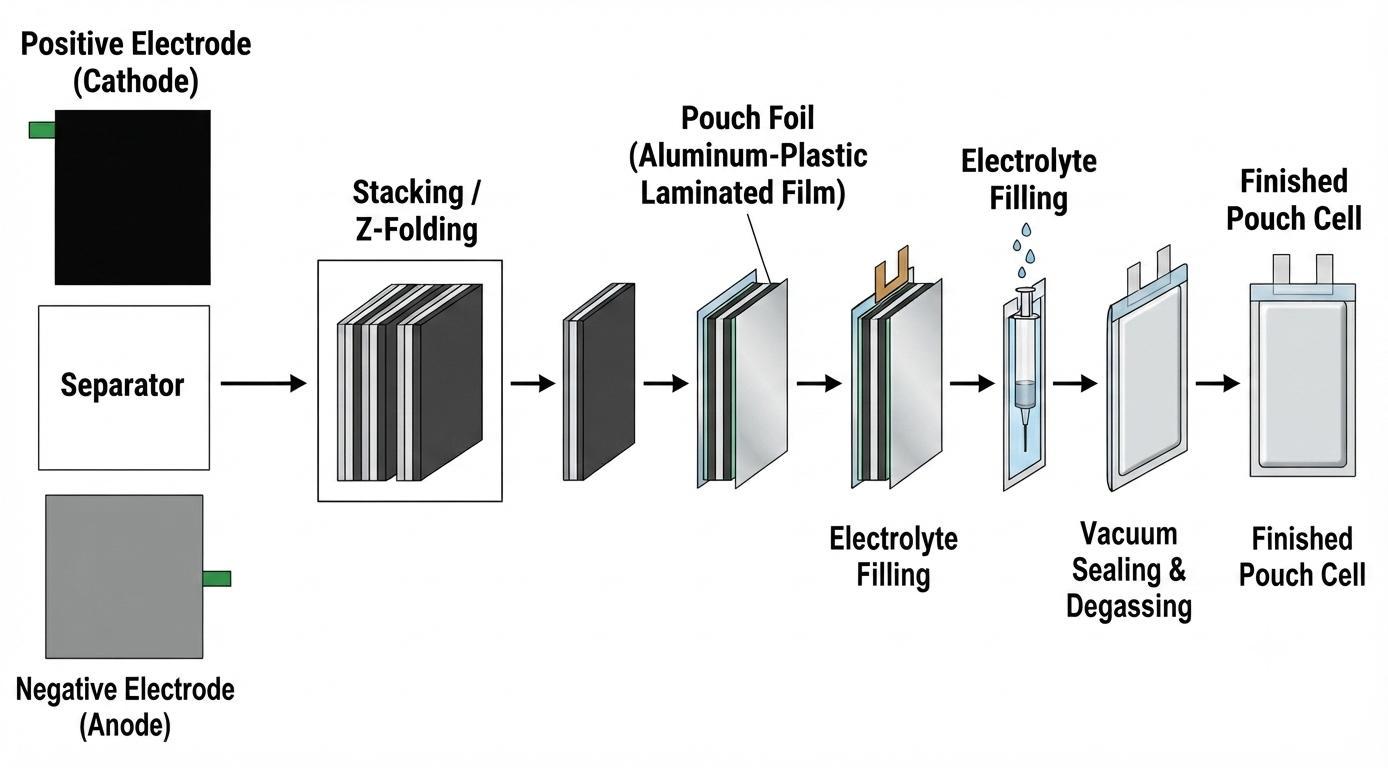
KEY PROCESS STAGES
It typically covers three main stages: raw material preparation, electrode preparation, and cell assembly, providing a complete workflow for laboratory-scale battery prototyping and testing.
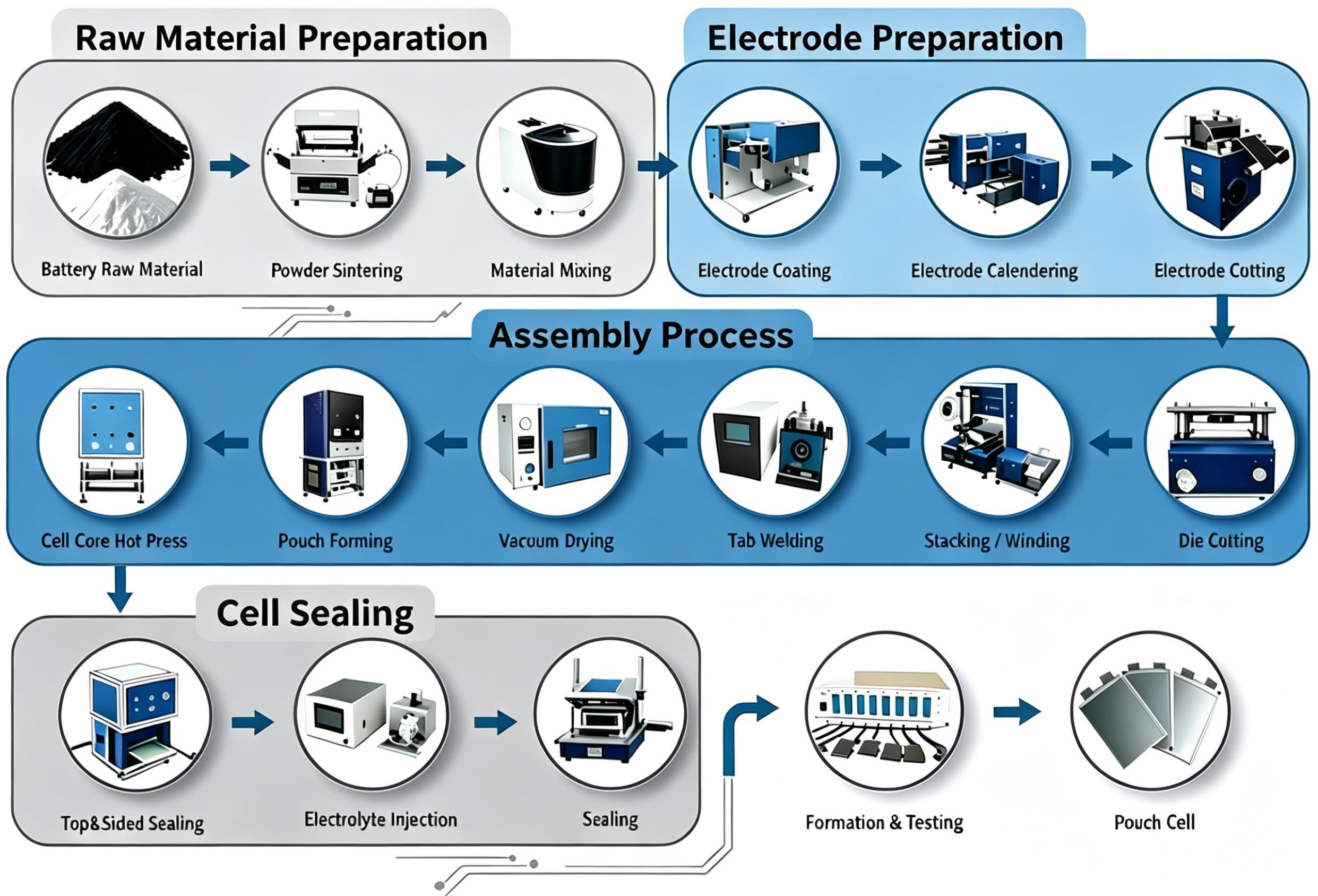
This end-to-end workflow ensures traceability and repeatability, critical for scaling up battery technologies from lab prototypes to commercial production.
Raw Material
Cathode Material
Anode Material
Separator
Electrolyte
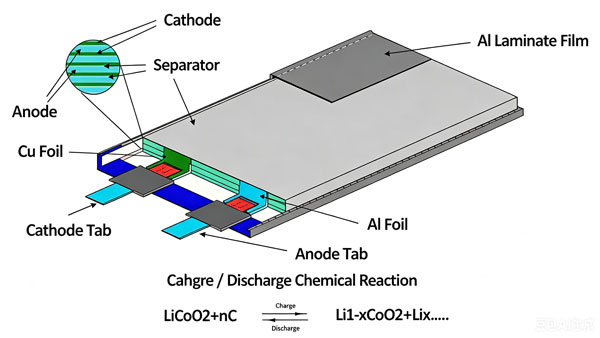
Aluminum Laminated Film Tab
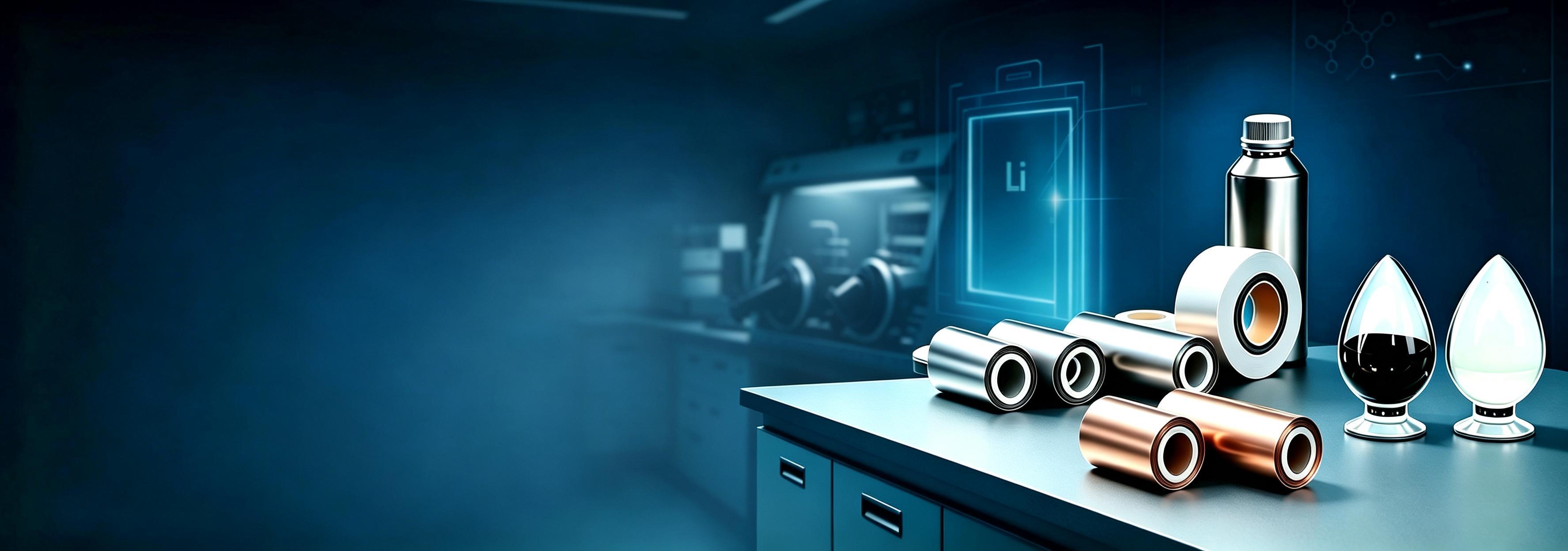
Raw material preparation is the first step in battery development. This stage focuses on synthesizing, mixing, and processing active materials used in battery electrodes.
| Component |
Common Materials / Structure |
| Cathode |
LFP, NMC, NCA, LCO, Aluminum foil |
| Anode |
Graphite, Silicon Carbon, LTO, Copper foil |
| Separator |
PE, PP, PP/PE/PP |
| Electrolyte |
LiPF₆, EC, EMC, DEC, DMC, additives (VC, FEC, etc.) |
| Binder |
PVDF (cathode), SBR/CMC (anode) |
| Conductive Additive |
Carbon black (Super P), CNT, graphene |
| Solvent |
NMP (cathode), deionized water (anode) |
| Aluminum Laminated Film |
113 μm, 152 μm |
| Tab |
Aluminum tab (positive), Nickel / Ni-Cu tab (negative) |
| Kapton Tape |
0.035–0.15 mm thickness |
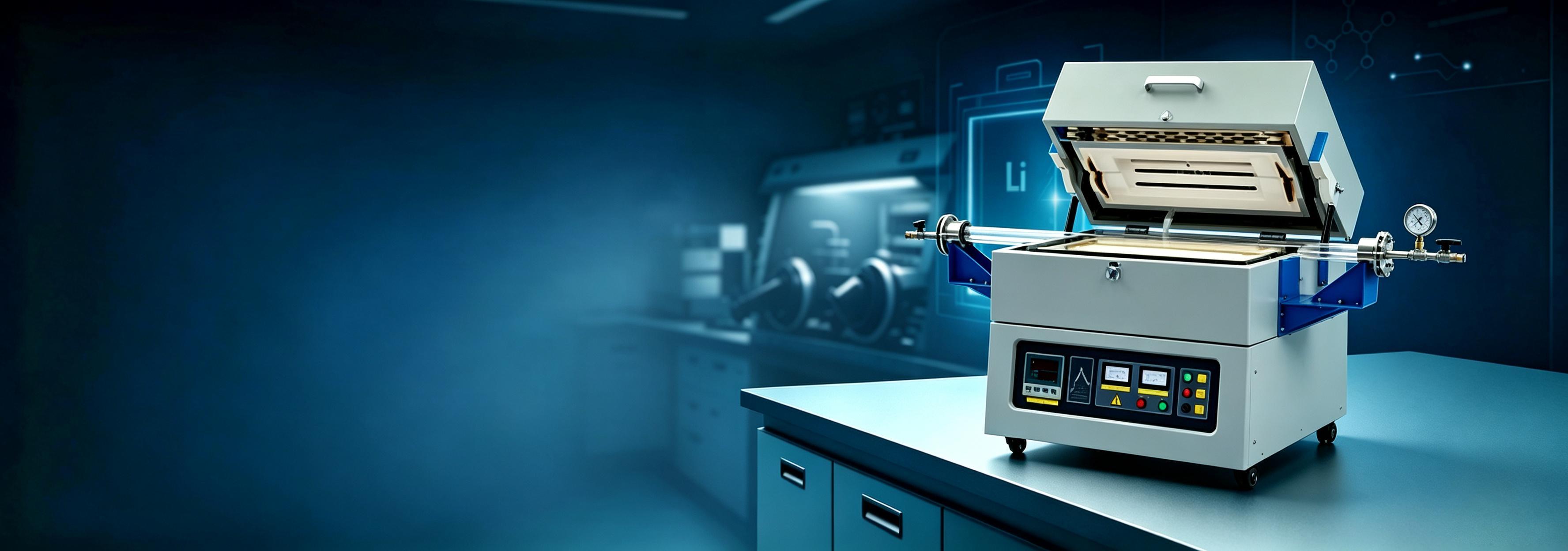
Tube Furnace
Single Zone Tube Furnace / Multi-Zone Tube Furnace
Temperature Range: 250℃-2300℃
Temperature Range: 250℃-2300℃
Heating Zone Length: 205mm-440mm
Vacuum and Controlled Atmosphere Compatible
Widely used for cathode and anode material calcination, sintering, and heat treatment in battery R&D. Supports precise temperature control and controlled atmospheres such as vacuum, nitrogen, or argon.

Ball Mill
50ml-20L Jar Capacity Options
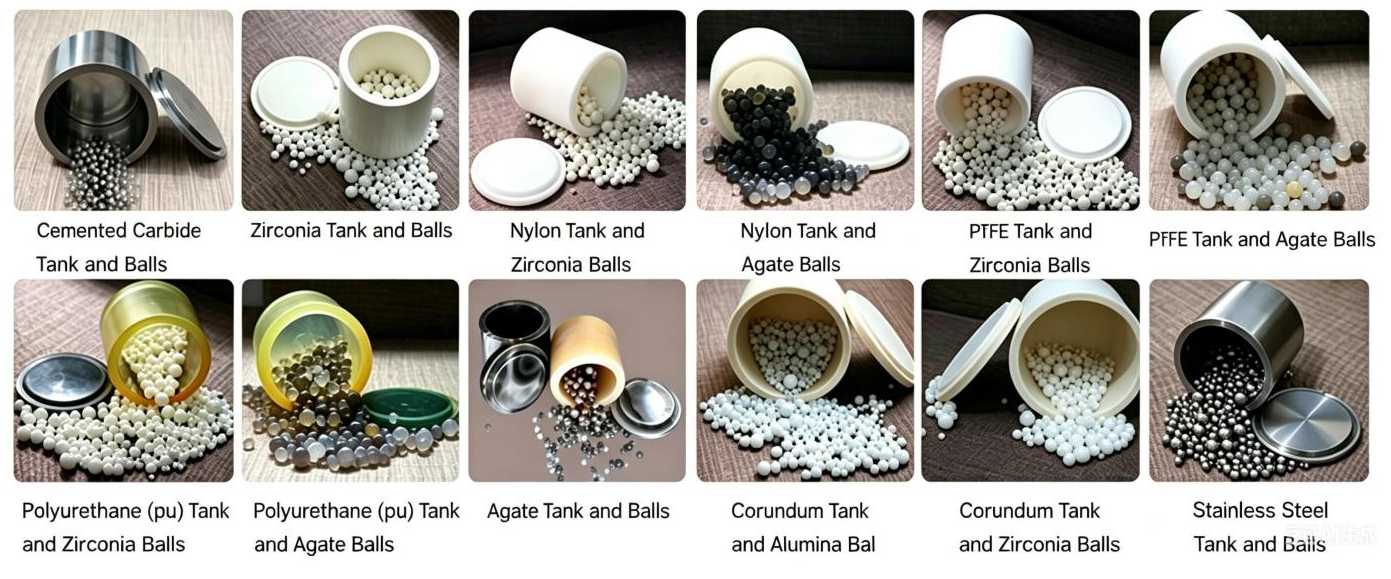
Multiple Jar Material Available (SS/WC/Agate/Al₂O₃/PTFE)
Vacuum Grinding Capability
Wide Range of Grinding Ball Sizes
Planetary ball mill is widely used in the raw material preparation stage of battery production, especially for cathode and anode active material research and development. It enables high-energy grinding, mixing, and particle size reduction to improve material uniformity and electrochemical performance.
In battery material R&D, zirconia (ZrO2 ) grinding jars and zirconia grinding balls are the most commonly used configuration.
They are preferred because of:
-
◆ Ultra-high purity processing
-
◆ Zero metal contamination
-
◆ Excellent wear resistance
-
◆ Suitable for ultra-fine grinding applications
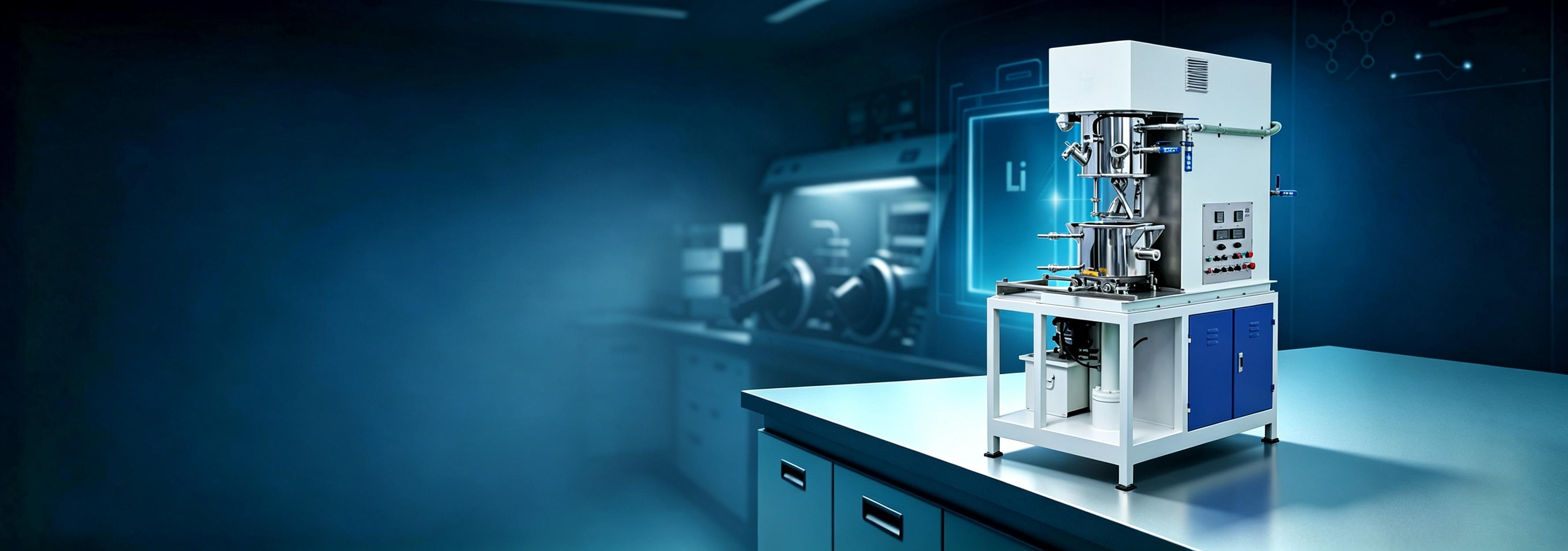
Vacuum Planetary Mixer
500mL-1000L Capacity Options
Vacuum Mixing to Remove Air Bubbles
Forward & Reverse Rotation Design
Multi-Speed Mixing Control
The vacuum planetary mixer is a key equipment in the electrode preparation process, used for mixing cathode and anode materials with binders and conductive additives to produce uniform battery slurry.
Under vacuum conditions, it effectively removes air bubbles and ensures consistent dispersion of active materials, improving coating quality and electrode performance. It is widely used for lithium-ion, sodium-ion, and solid-state battery material research and development.
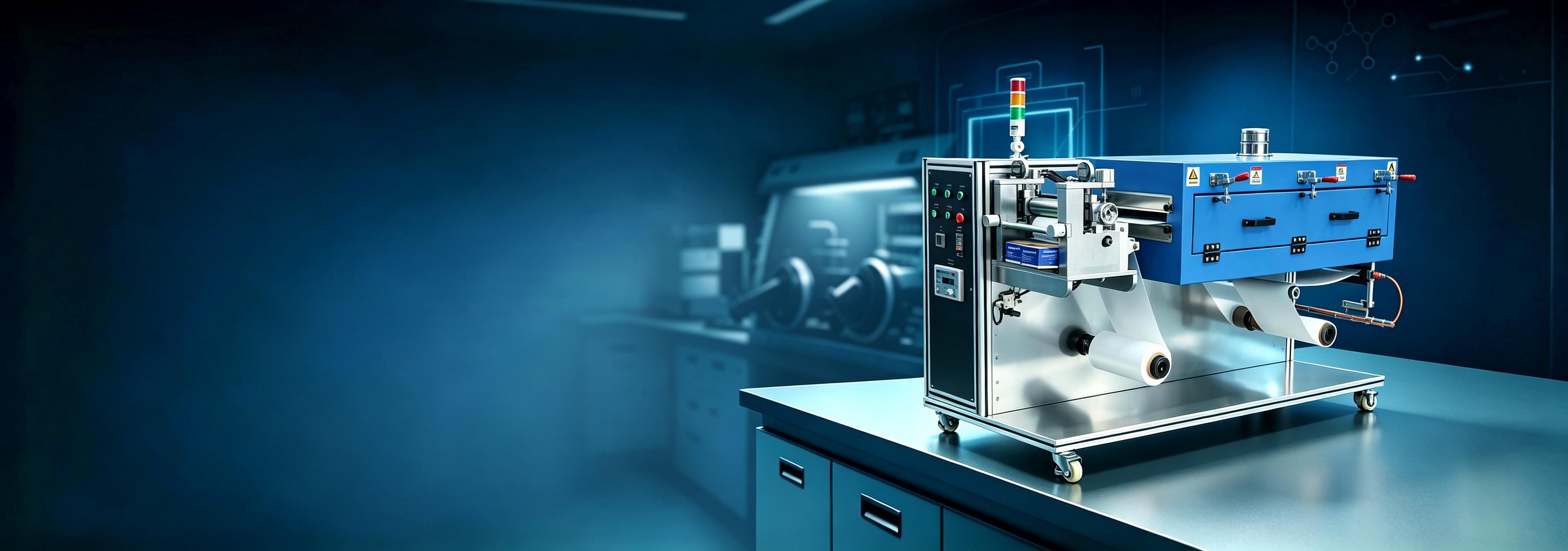
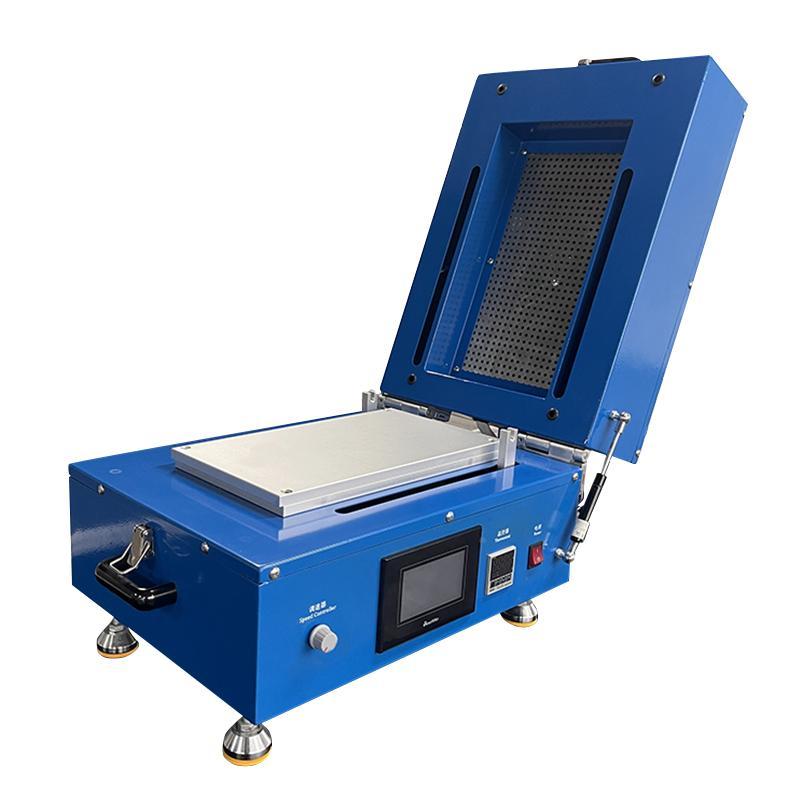
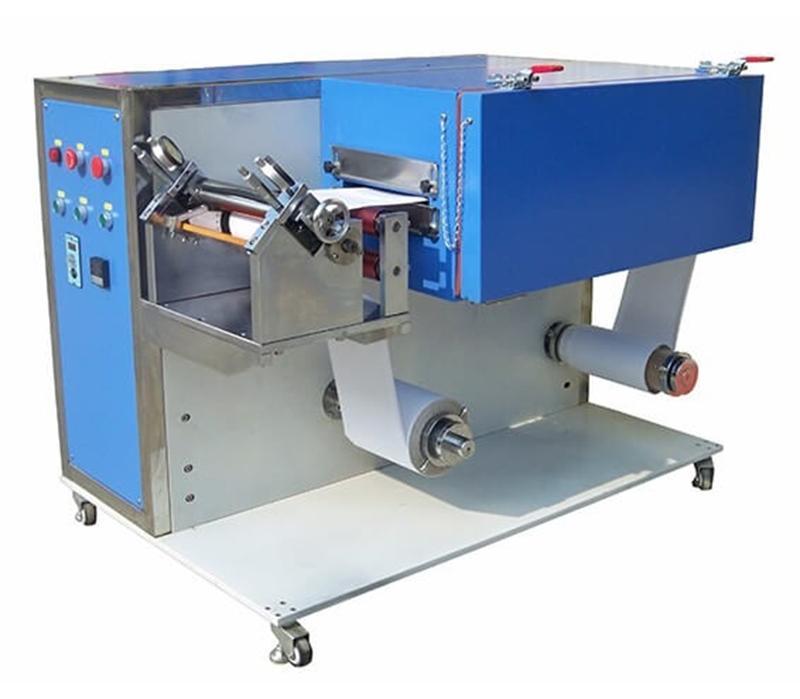
Coating Machine
100-300mm Coating Width (Customizable)
Max Heating Temperature: 200℃
Optional Unwinding or Rewinding System
Gap / Continous Coating Modes
Variable Speed Control
The coating machine is a key equipment in pouch cell electrode preparation, used to evenly coat cathode or anode slurry onto current collectors (Al or Cu foil). It ensures uniform thickness, stable loading density, and consistent electrochemical performance.
| Function |
Desktop Coating Machine |
Floor-Type Medium Coating Machine |
| Machine Type |
Compact bench-top system |
Floor-standing system |
| Target Application |
Small-size pouch cells R&D |
Larger-size pouch cells & pilot-scale |
| Production Scale |
Low throughput laboratory use |
Medium-scale laboratory production |
| Coating Width |
50–300 mm |
Customizable |
| Coating Length |
200–800 mm |
Customizable |
| Heating System |
Heating or non-heating optional |
Heating or non-heating optional |
| Vacuum System |
Built-in vacuum pump included |
Not standard / optional depending on configuration |
| Coating Mode |
Single / small-scale coating |
Continuous or intermittent coating |
| Production Scale |
Low throughput laboratory use |
Medium-scale laboratory production |
| Reference Picture |
 |
 |
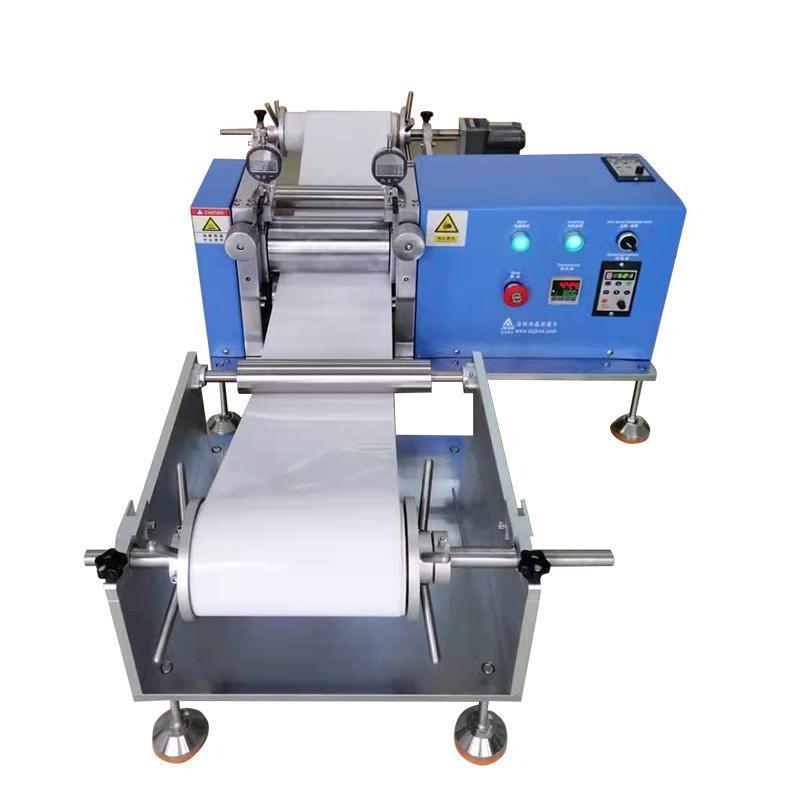
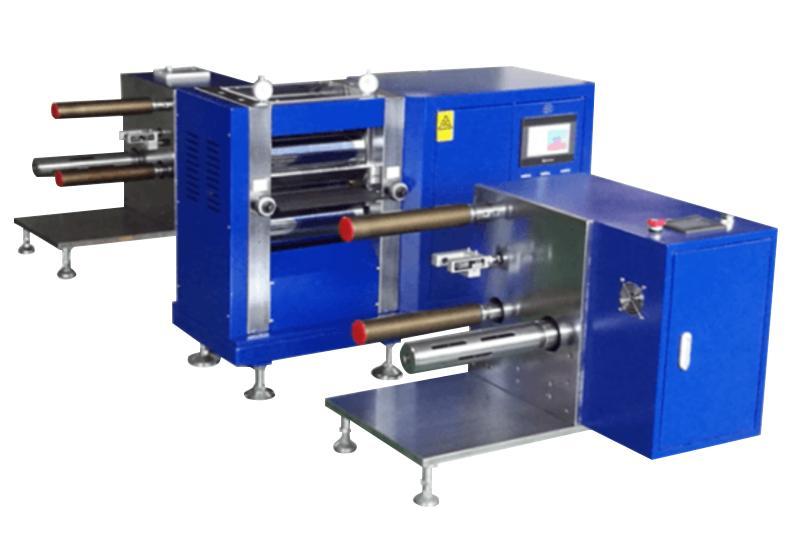
Roll Press
100-300mm Rolling Width (Customizable)
Electric Heating / Hydraulic Pressure Options
Optional Unwinding or Rewinding System
Max Heating Temperature: 200℃
Adjustable Pressure for Electrode Calendering
Roll press machine is used in the electrode preparation process of pouch cell production. It compresses the coated electrode sheets to increase density, improve adhesion, and ensure uniform thickness, which directly enhances battery performance and cycle life.
| Function |
Desktop Roll Press Machine |
Floor-Type Medium Roll Press Machine |
| Machine Type |
Bench-top / small laboratory system |
Floor-standing system |
| Roll Diameter |
100–200 mm |
Customizable |
| Rolling Width |
100–400 mm |
Customizable |
| Heating System |
Heating or non-heating optional |
Heating or non-heating optional |
| Pressing Type |
Manual / electric options |
Electric / hydraulic roll pressing |
| Roll Orientation |
Horizontal (default) / vertical optional |
Horizontal / customized layout |
| Winding System |
Optional unwinding & rewinding |
Optional unwinding & rewinding |
| Application Scale |
Small-batch laboratory production |
Pilot-scale |
| Reference Picture |
 |
 |
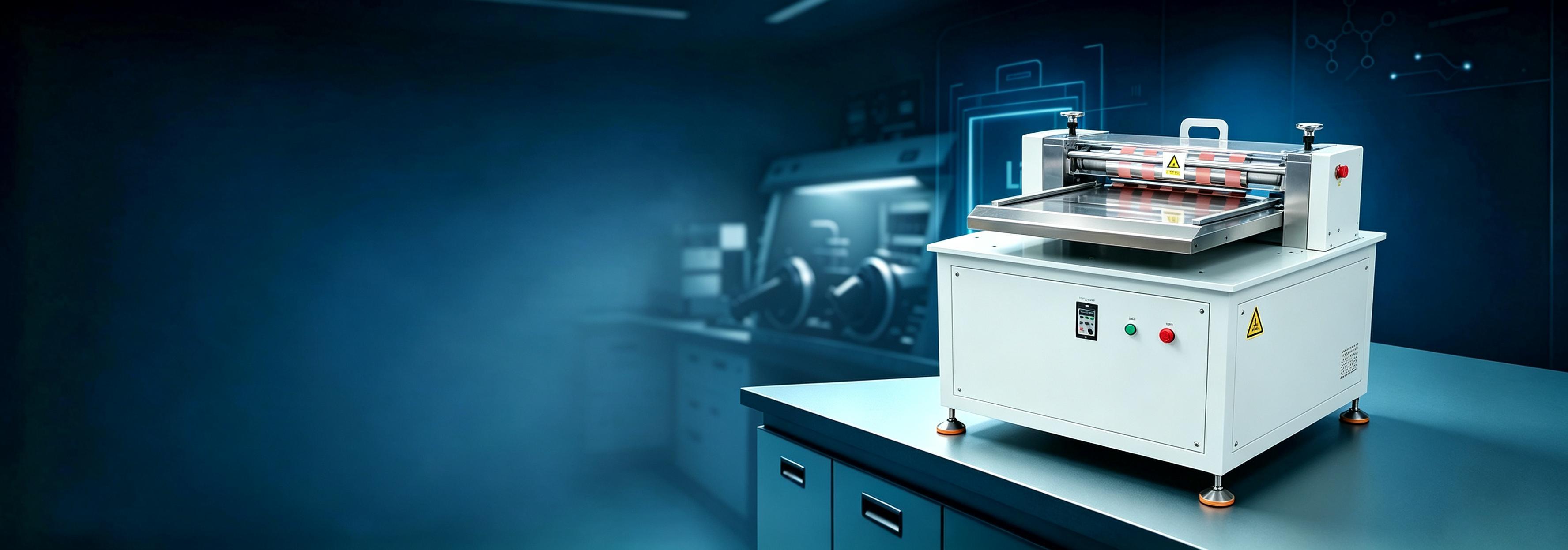
Slitting Machine
Up to 400mm Slitting Width
20-400mm Strip Width Range
Multi-Blade Configuration
Cathode & Anode Longitudinal Slitting
Al & Cu Foil Compatible
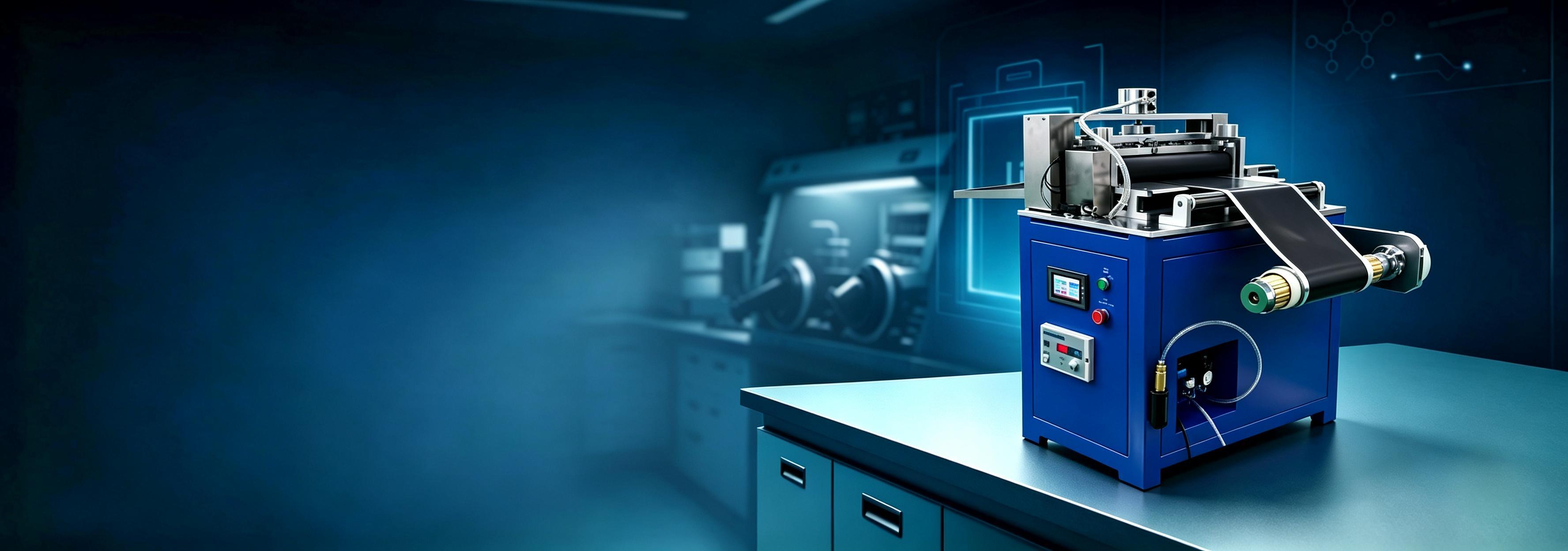
Cutting Machine
Adjustable Length / Quantity / Speed
Auto Unwinding with Tension Control
Fixed Length & Mark Tracking Cutting
Front / Rear Cut Compensation
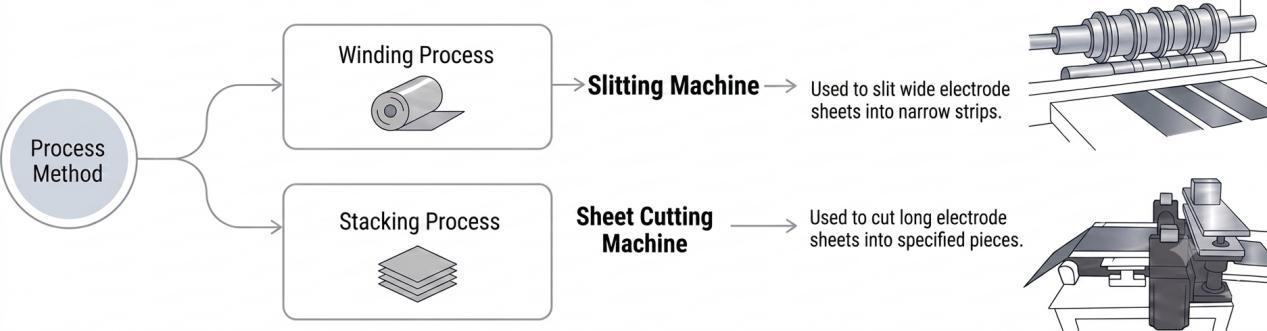
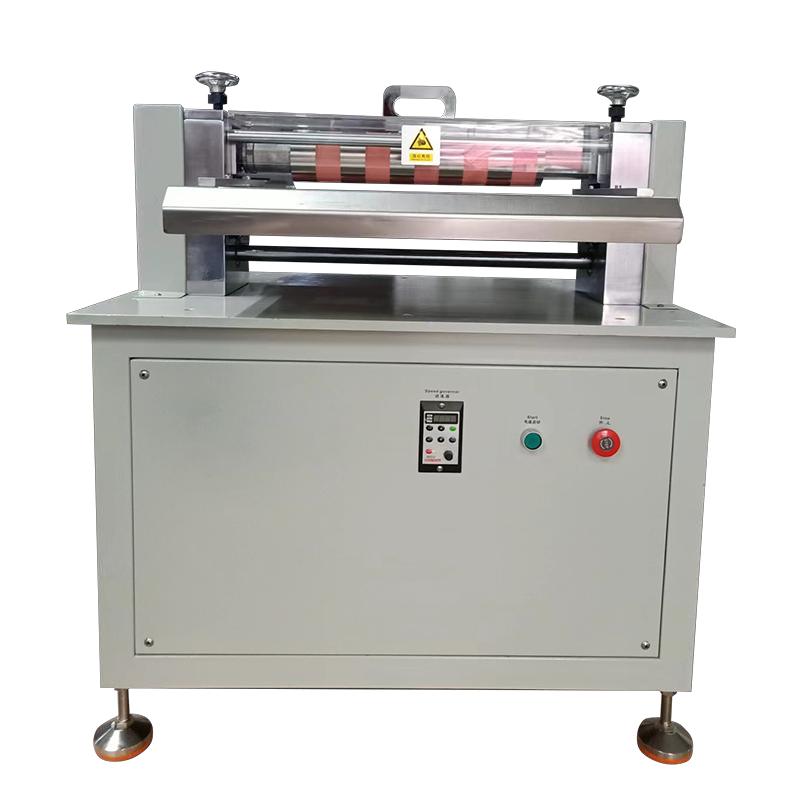
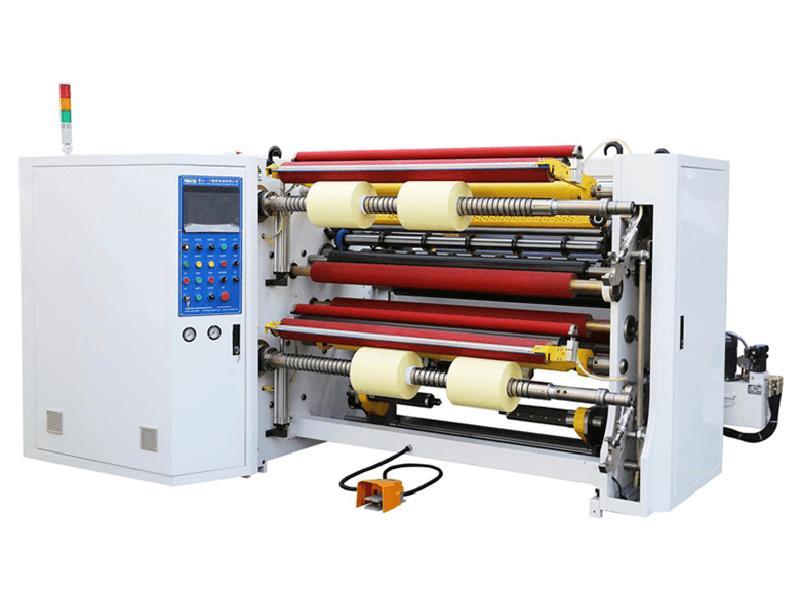
Based on the cell design and manufacturing process, electrodes are either cut or slit into required dimensions for stacking or winding processes.
These machines ensure accurate electrode size control, clean edges, and high consistency, providing reliable preparation for subsequent cell assembly steps.
Electrode processing is selected after calendering, based on the final cell design:
| Item |
Slitting Machine |
Sheet Cutting Machine |
| Application Process |
Winding process |
Stacking process |
| Process Stage |
After electrode calendering |
After electrode calendering |
| Function |
Cuts wide material rolls into strips with specified widths |
Cuts electrode sheets into specified lengths and sizes |
| Cutting Direction |
Longitudinal cutting |
Length cutting / sheet cutting |
| Output Form |
Continuous electrode and separator strips |
Individual electrode sheets |
| Subsequent Process |
Ready for electrode and separator winding |
Further die cutting and stacking |
| Slitting Machine |
Semi-Automatic |
 |
| Slitting Machine |
Automatic |
 |
Winding Machine
Continuous Electrode and Separator Winding
Cathode, Anode & Separator Alignment
Jelly-Roll Cell Core Formation
Adjustable Winding Tension Control
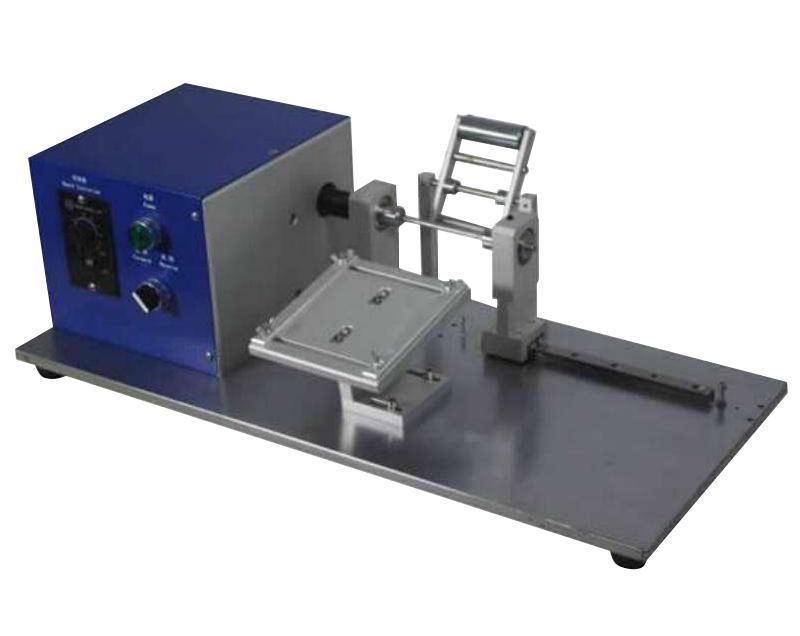
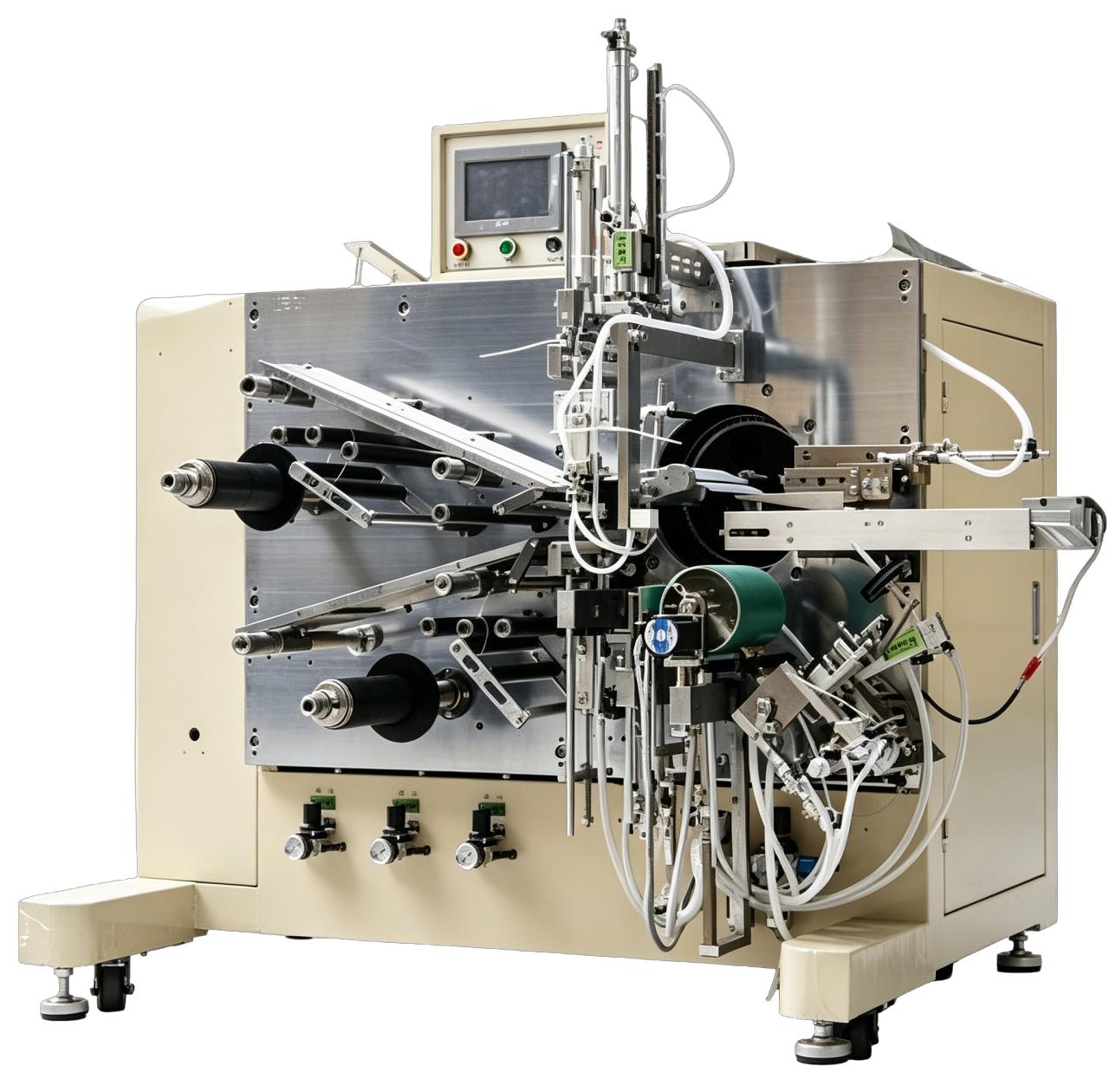
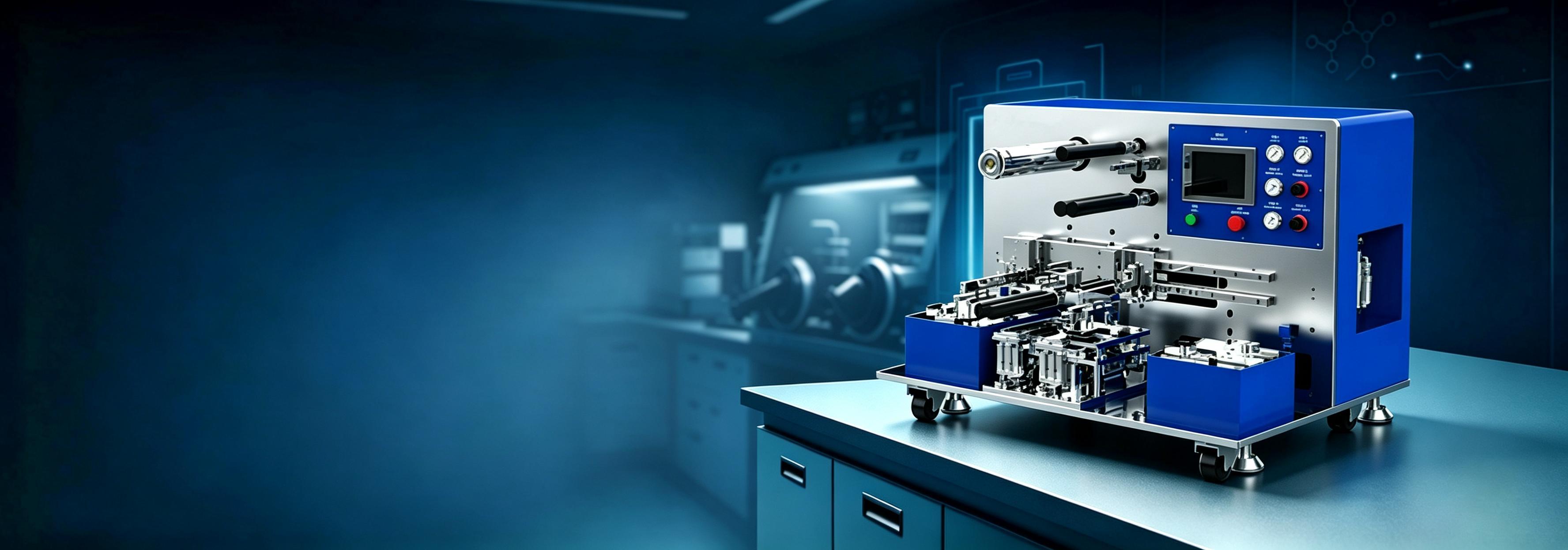
The winding machine is used in the pouch cell assembly process to continuously wind cathode, anode, and separator layers into a jelly-roll cell core. It ensures accurate alignment, stable winding tension, and consistent cell structure, providing a reliable foundation for subsequent packaging and sealing processes.
| Machine Type |
Machine Image |
| Manual Winding Machine |
 |
| Semi-Automatic Winding Machine |
 |
| Automatic Winding Machine |
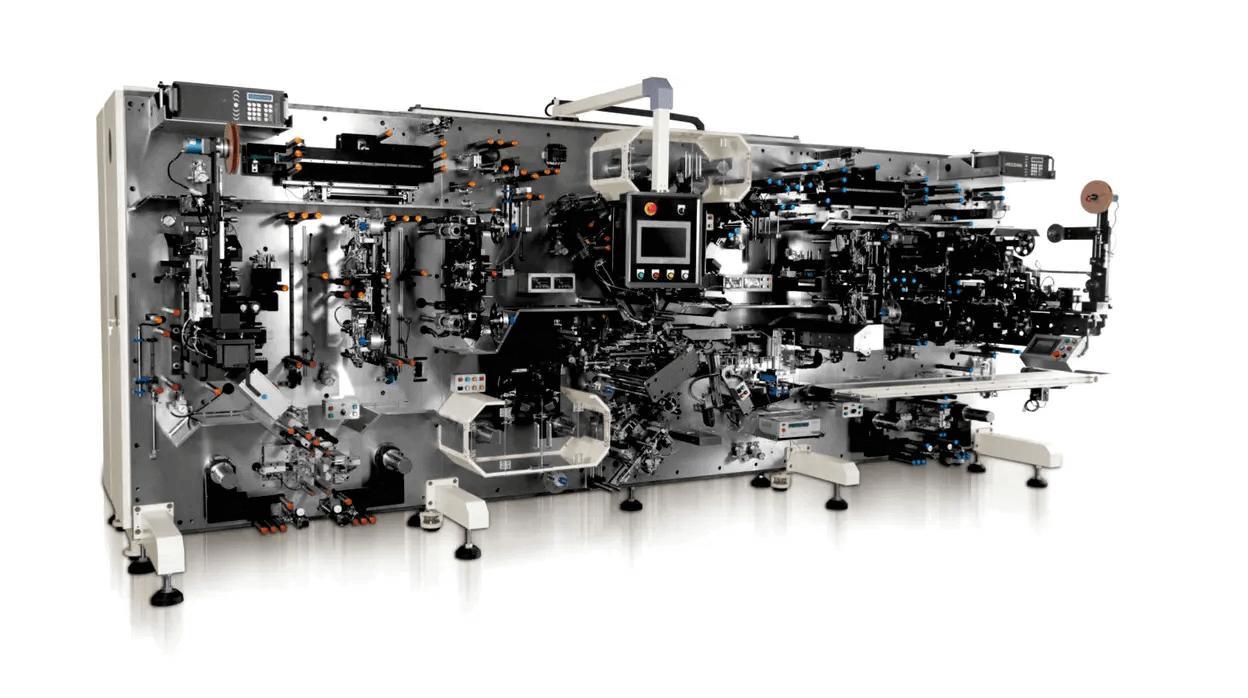 |
Stacking Machine
Multi-Size Electrode / Separator CompatibiPty
Semi-Automatic / Manual Operation Optional
Flexible Layer Setting for Stacking
Z-Folding Stacking Design
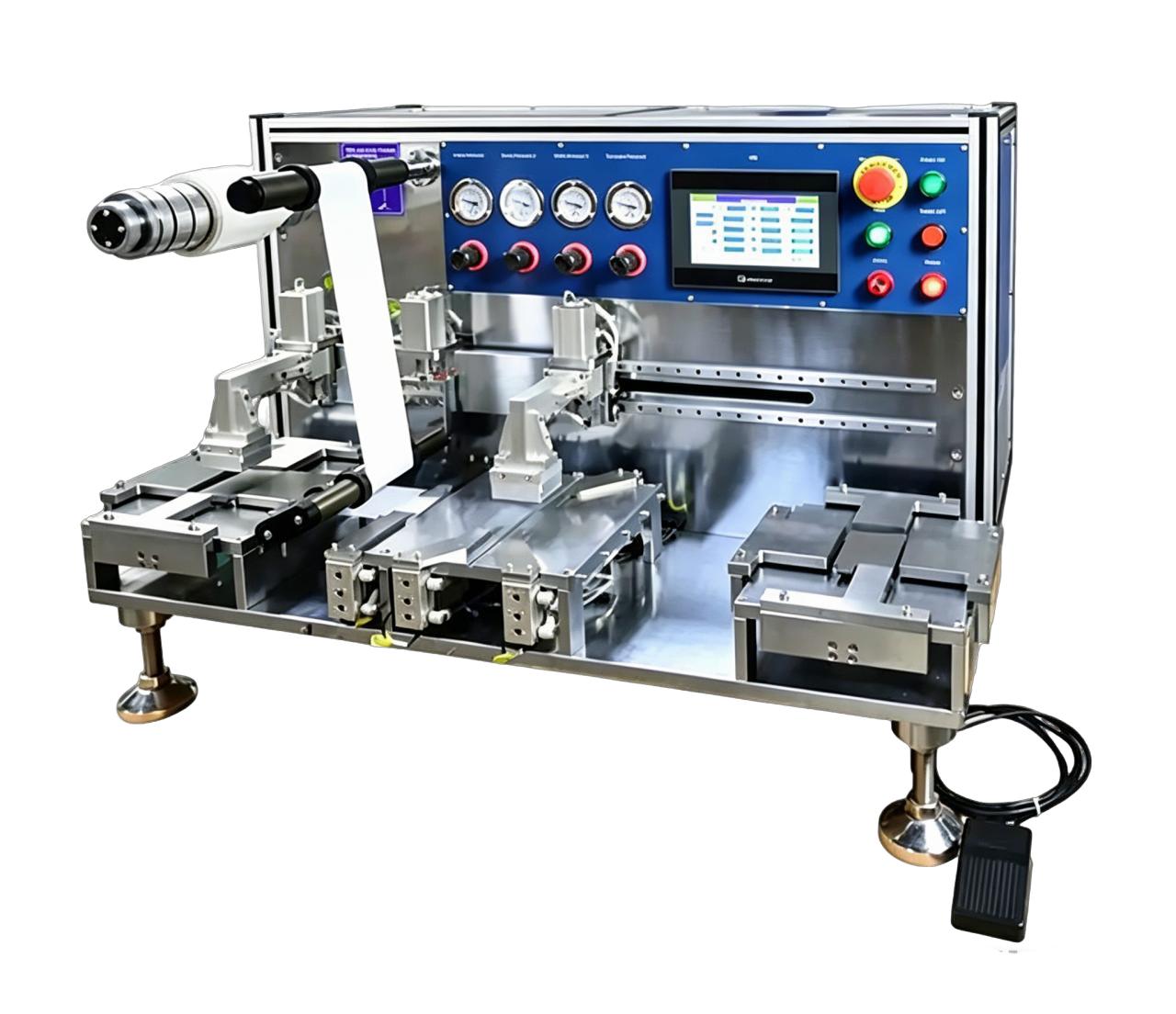
The Z-folding stacking machine is designed for pouch cell assembly, using a Z-shaped folding method to stack cathode, anode, and separator layers alternately into a cell core.
It provides accurate electrode alignment, stable stacking performance, and flexible layer setting, making it suitable for lithium-ion battery R&D and small-scale production.
| Machine Type |
Machine Image |
| Manual Stacking Machine |
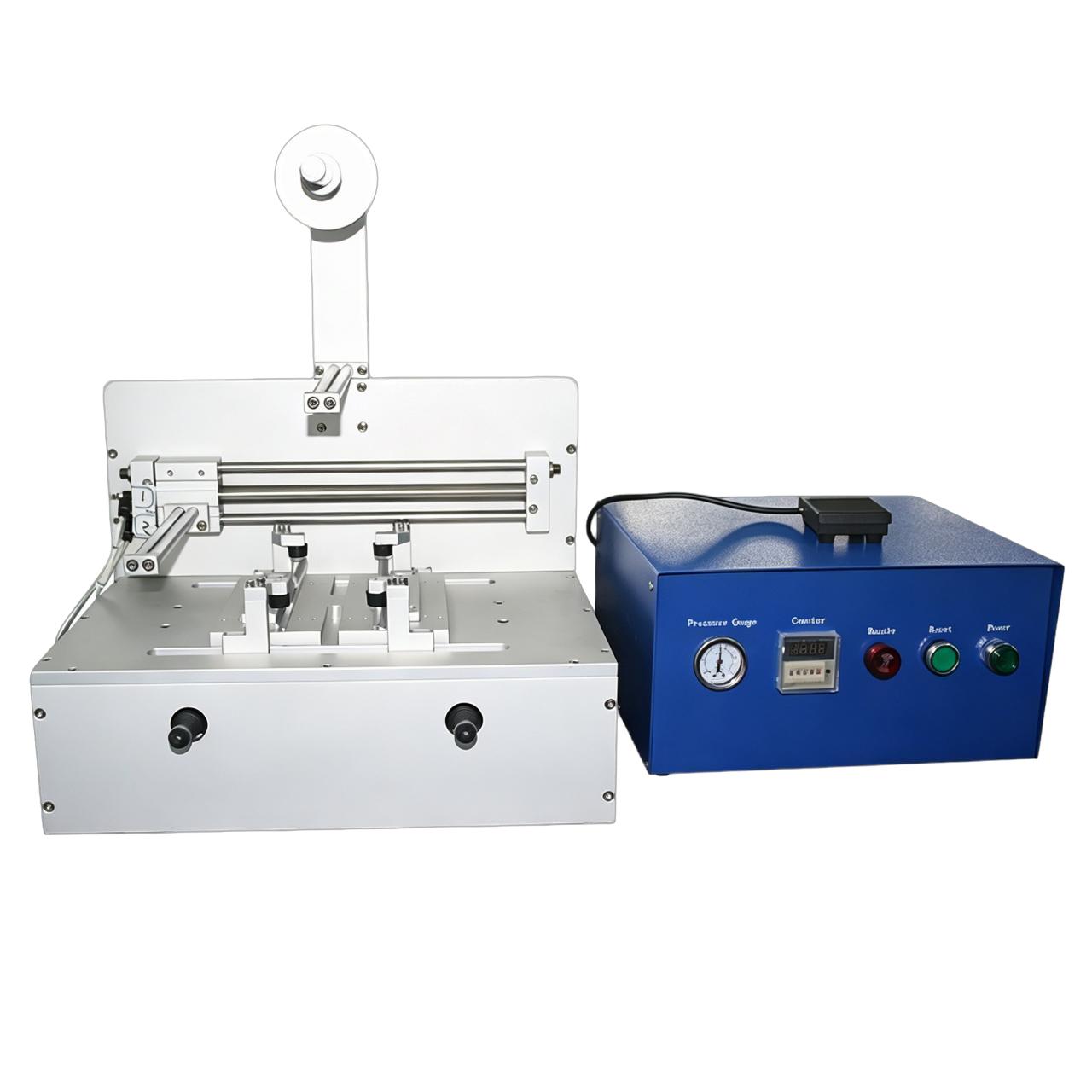 |
| Semi-Automatic Stacking Machine |
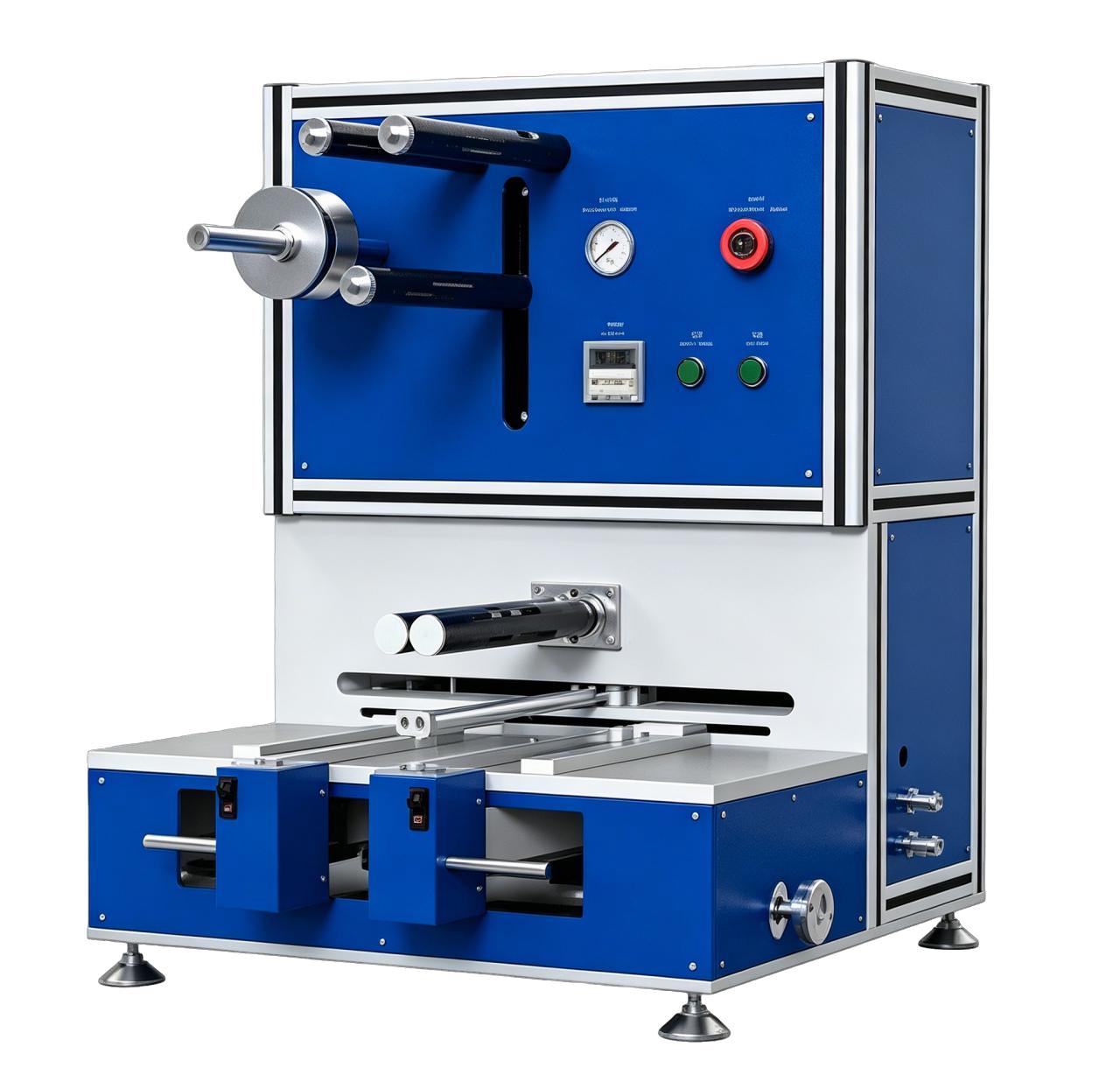 |
| Automatic Stacking Machine |
 |
Die Cutting Machine
Pneumatic / Hydraulic Cutting Model
Custom Die Dimensions Available
Pressure Adjustable with Visual Gauge
Safe and Easy Operation
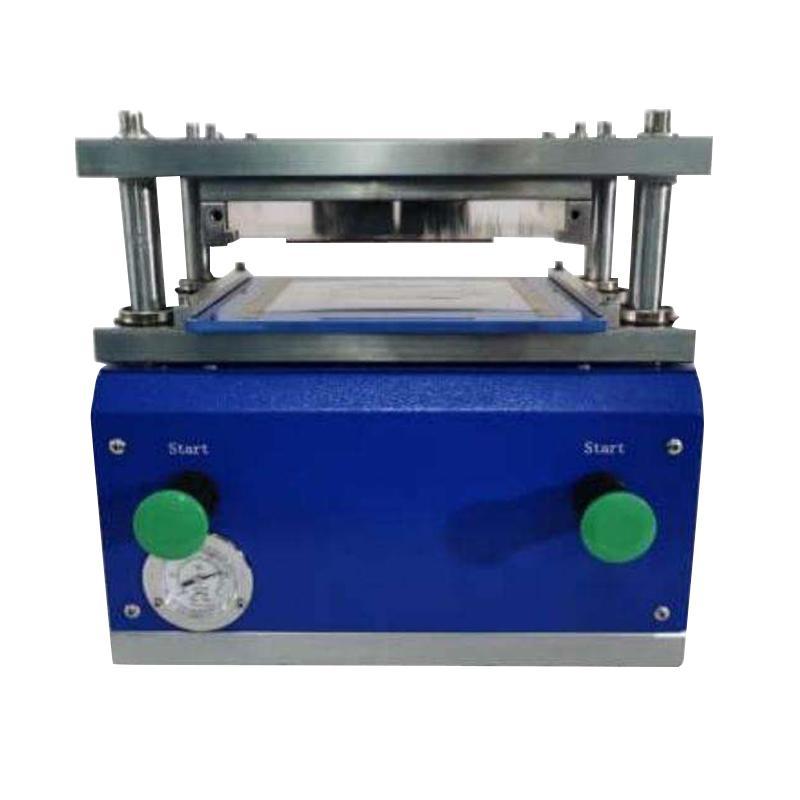
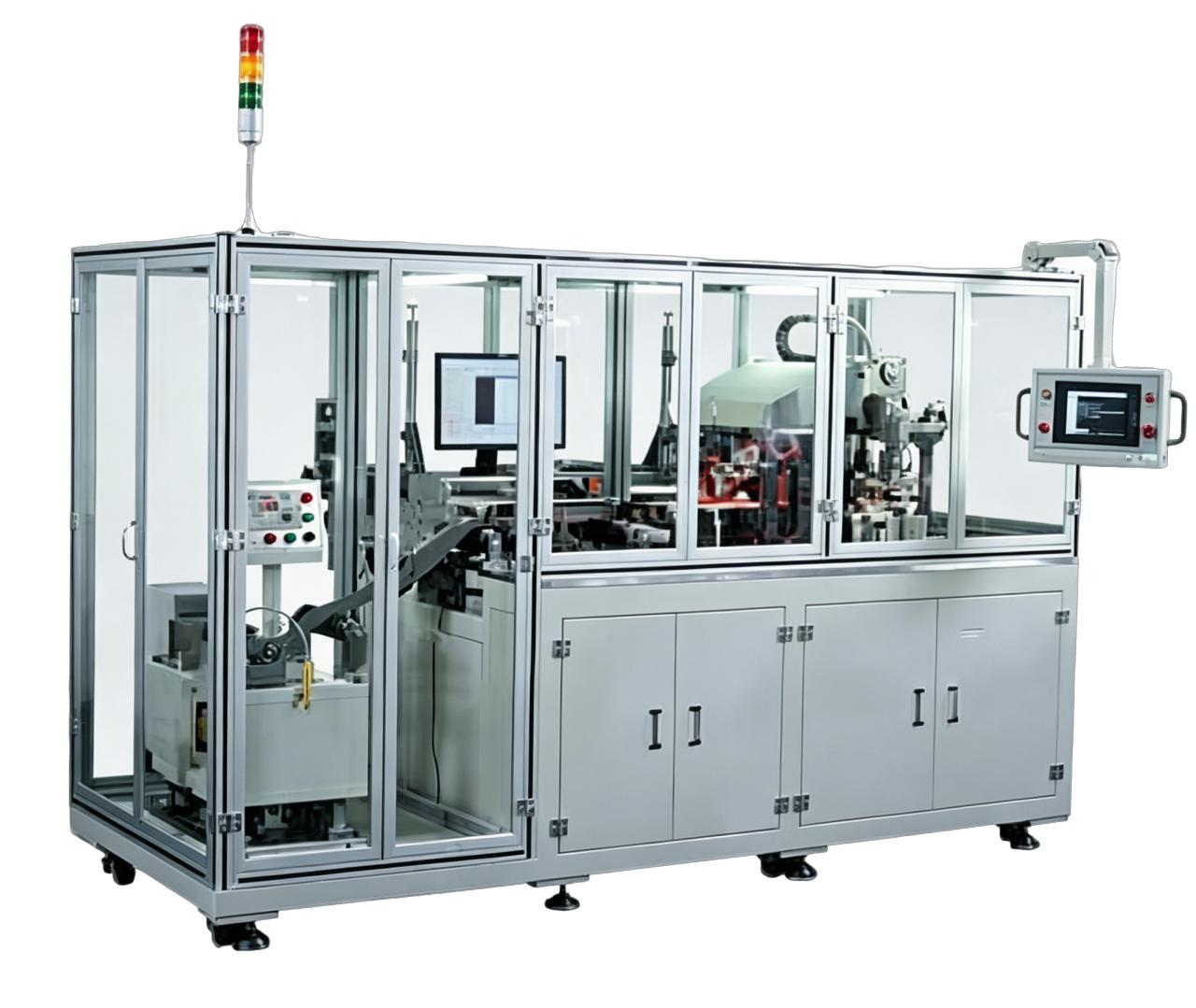
The die cutting machine is used in the electrode stacking process to punch electrode sheets into precise shapes and sizes. It ensures consistent dimensions for cathode, anode, and separator alignment, enabling accurate and stable cell stacking.
It is an essential equipment for preparing electrode pieces before pouch cell assembly.
| Model |
Manual Die Cutter |
Automatic Die Cutter |
| Applicable Range |
Within 250mm × 250mm |
L90-350mm × W40-450mm |
| Yield |
800 - 1000 pcs/h |
2400 pcs/h |
| Reference Picture |
 |
 |
Tab Welding Machine
Materials: Al / Ni Tabs
Method: 20-40 KHz Vibration + Pressure
Bonding: Plastic Deformation + Diffusion
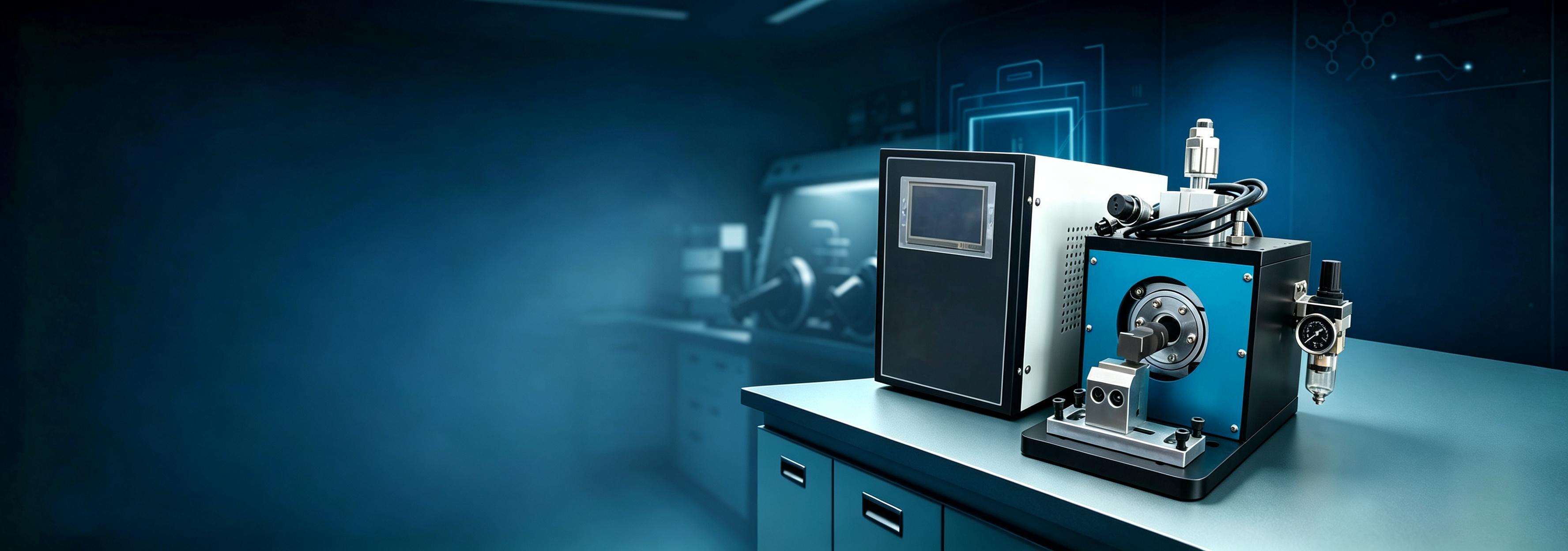
Ultrasonic tab welding is used to connect electrode tabs in pouch cell assembly. It uses high-frequency vibration to achieve solid-state bonding without melting the materials, ensuring low resistance, high conductivity, and reliable electrical connection.
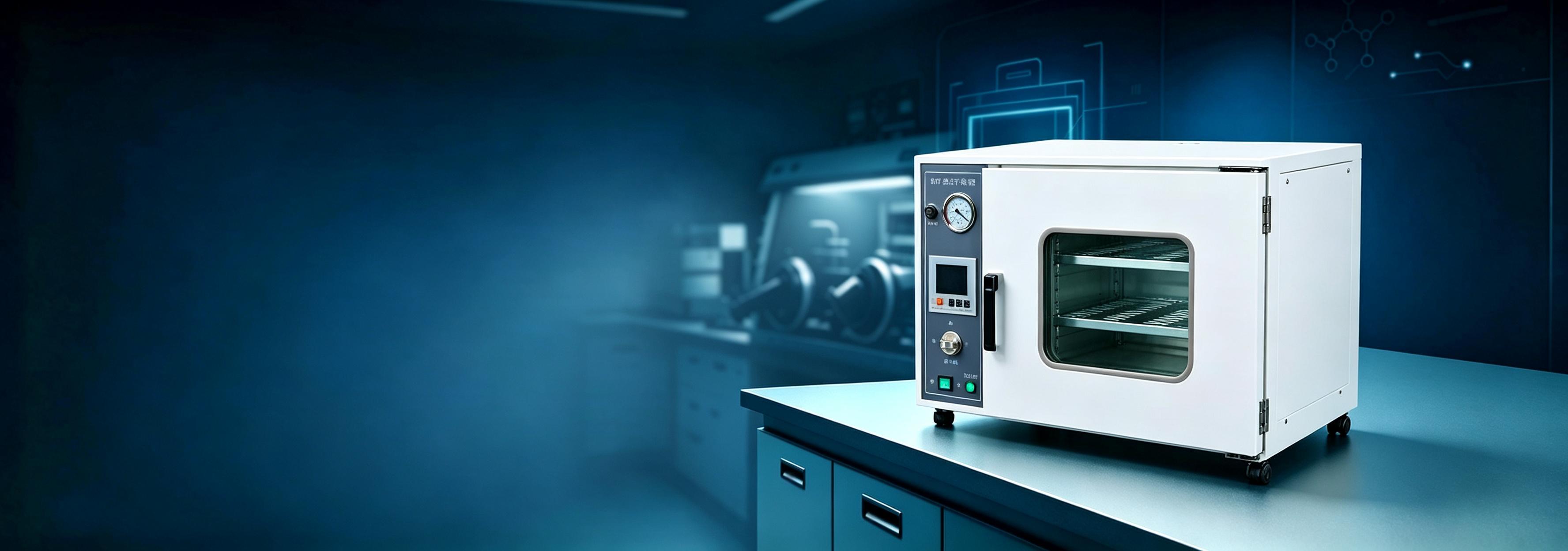
Vacuum Drying Oven
Capacity Options: 25L / 50L / 90L / 210L
Temperature Range: Up to 250℃
Vacuum drying oven is used after electrode welding or electrode preparation to remove residual moisture and ensure stable storage conditions. It helps prevent oxidation and moisture absorption of electrode sheets, improving battery safety and consistency before cell assembly.
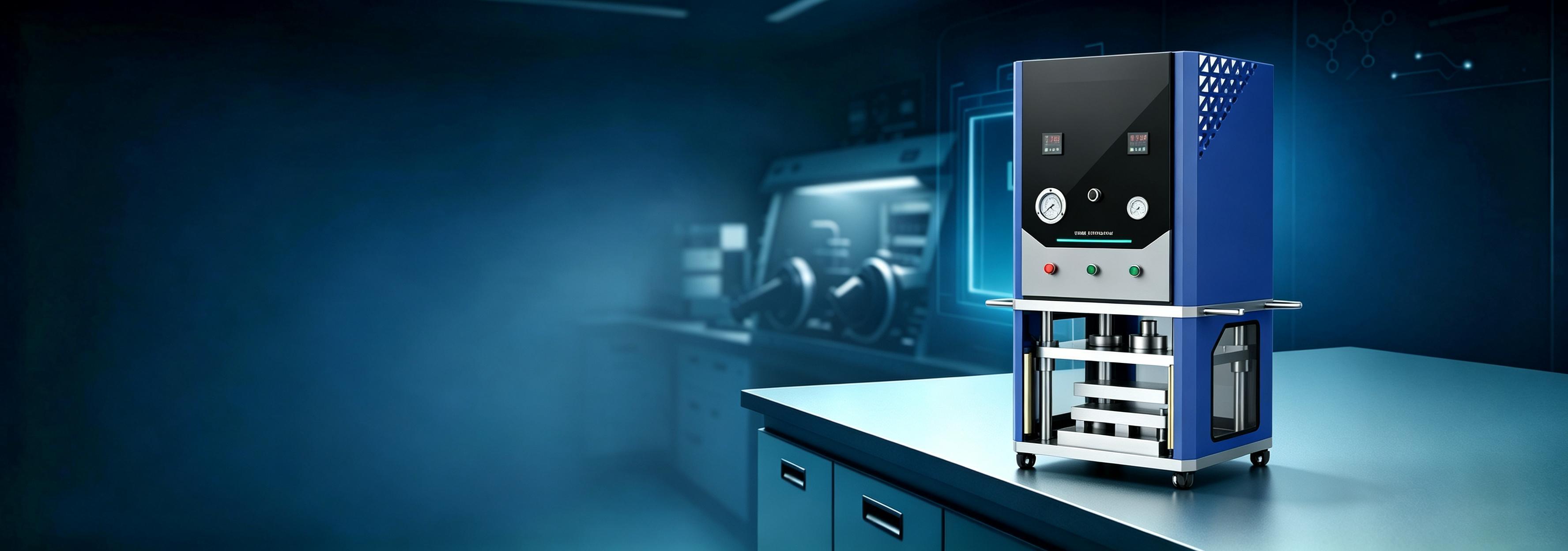
Pouch Forming Machine
≤6mm Single Cavity Depth (Customized)
Double Cavity Design Available
Custom Punching Dimensions
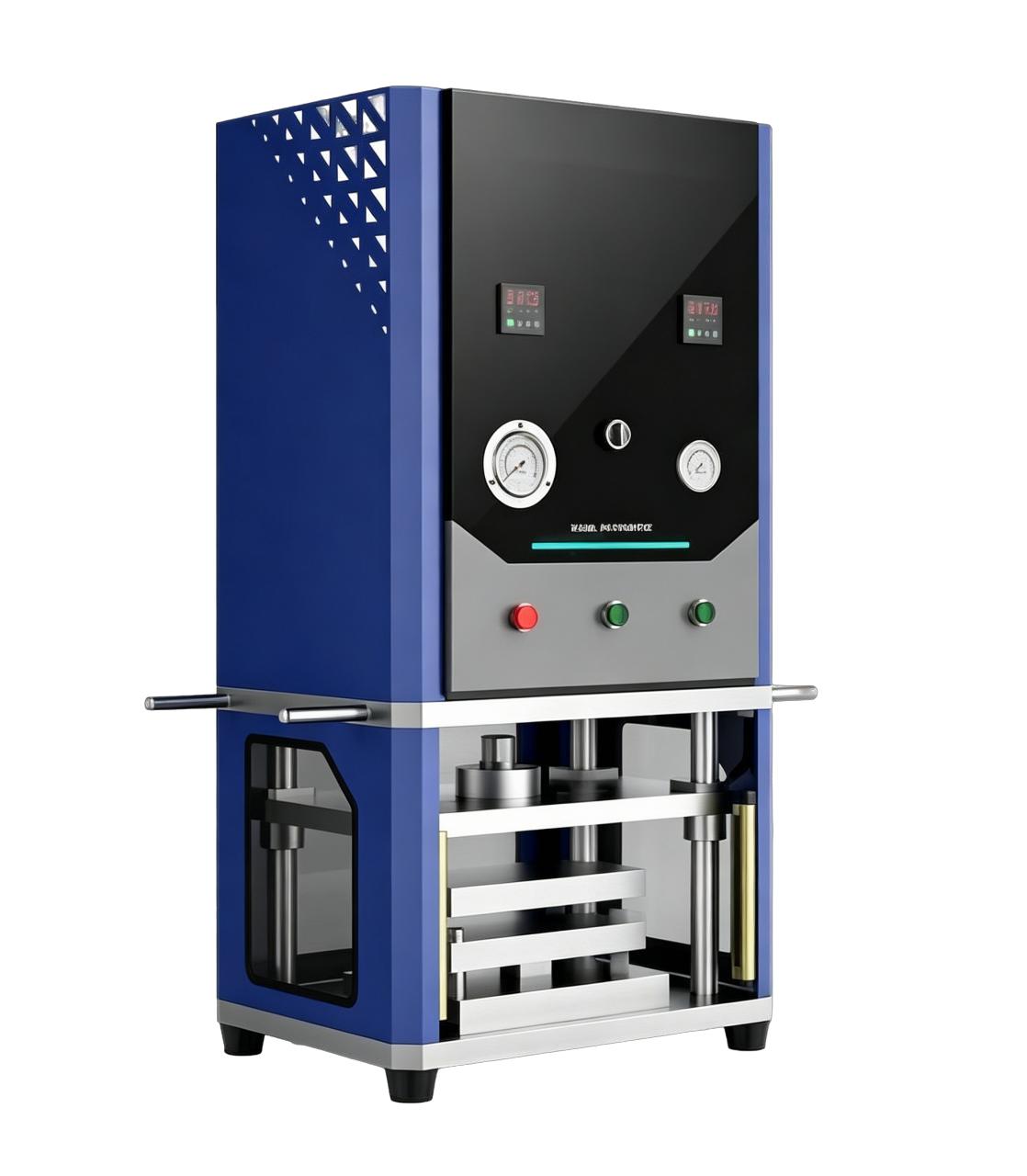
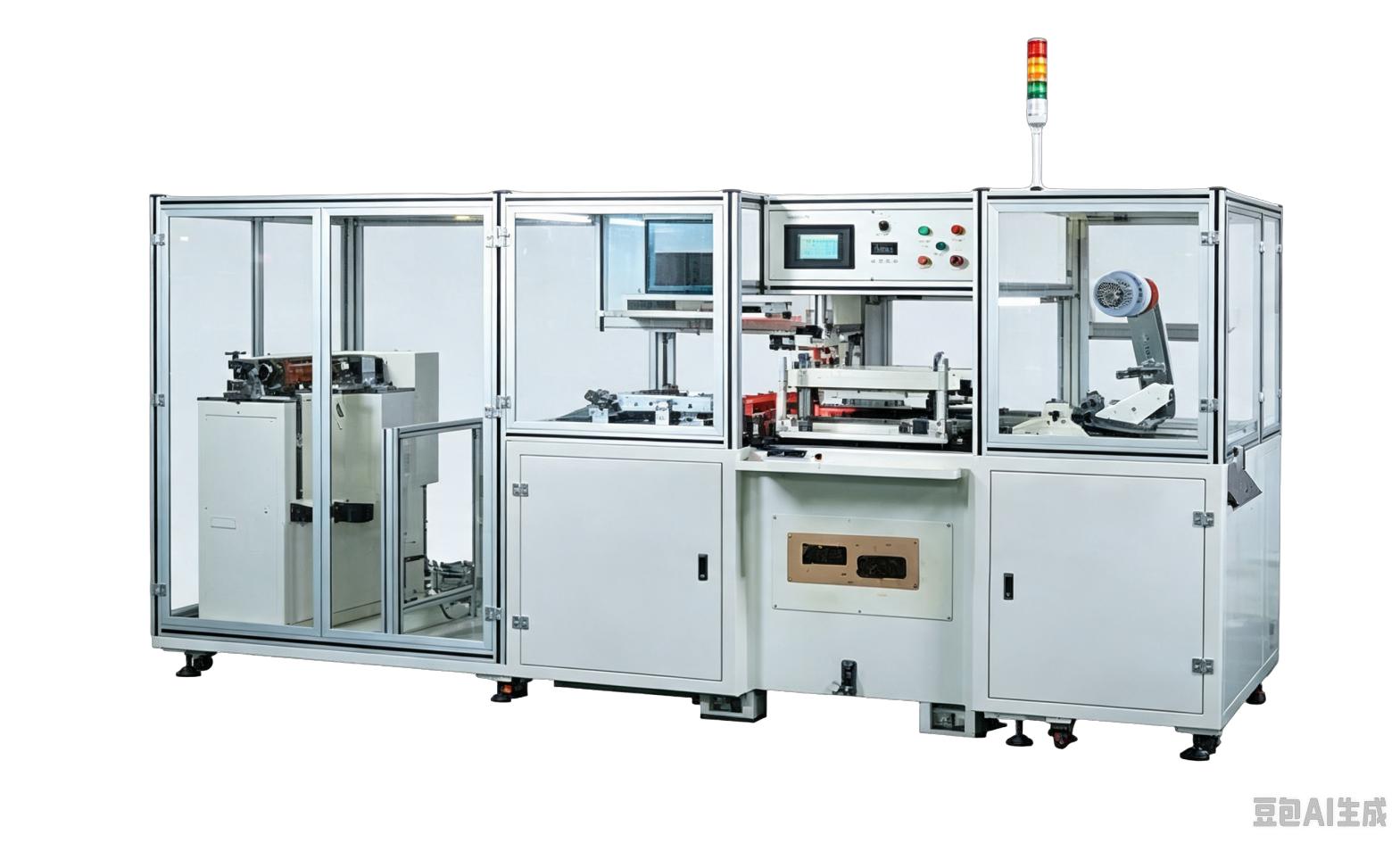
The pouch cell case forming machine is used to shape aluminum laminated film into a preformed pouch structure for battery assembly. It ensures accurate cavity formation for electrode stacking or winding, providing proper space and alignment for internal cell components.
| Model |
Manual Forming Machine |
Automatic Forming Machine |
| Al-laminated Film Size |
Max. 330mm × 220mm (Customizable) |
Customized |
| Booster Cylinder |
3T~5T (Adjustable) |
30T (Adjustable) |
| Max. Forming Depth |
Max. 6mm (Depends on film strength) |
Customized |
| Reference Picture |
 |
 |
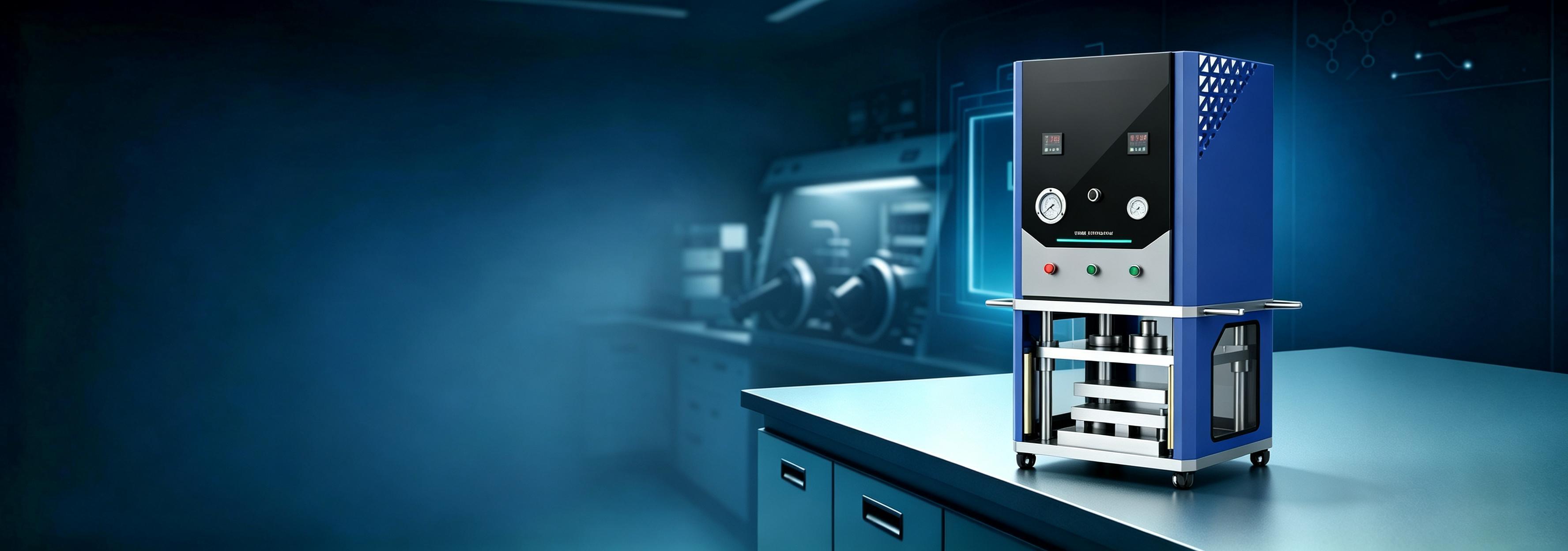
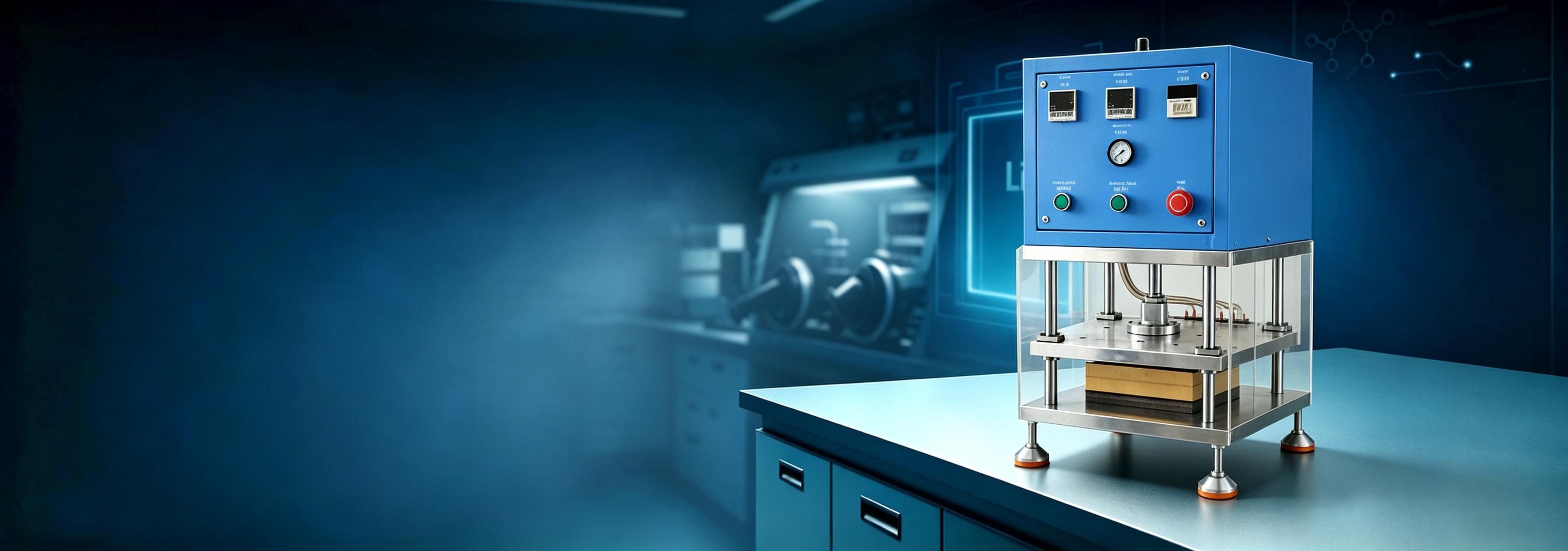
Hot / Cold Press
Hot / Cold Press Mode Adjustable
Reduces Core Short-Circuit Risk
Ensures Consistent Final Cell Thickness
Compatible with Multiple Cell Sizes
This equipment is mainly used for hot pressing the battery core after winding or stacking, making it easier for subsequent casing and assembly. The wound or stacked core is placed on a forming template and shaped through controlled heating and pressure.
It helps ensure consistent cell thickness, reduces spring-back of the electrode core, lowers the risk of internal short circuits, and improves overall thickness uniformity of the finished cell.
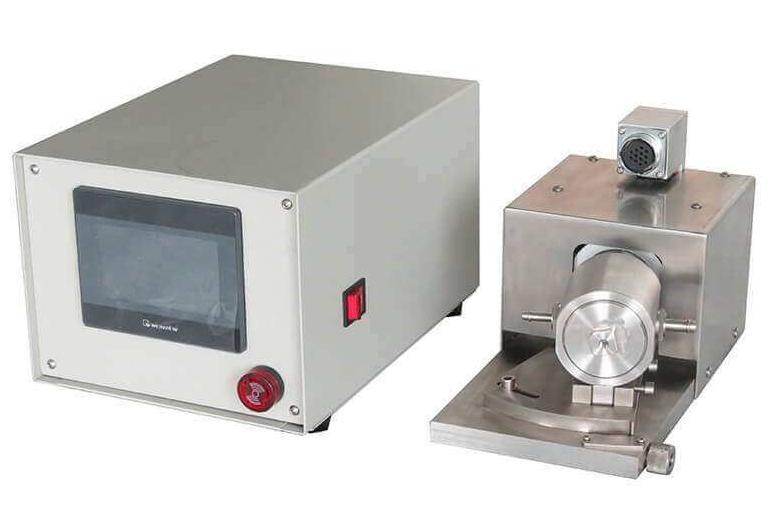
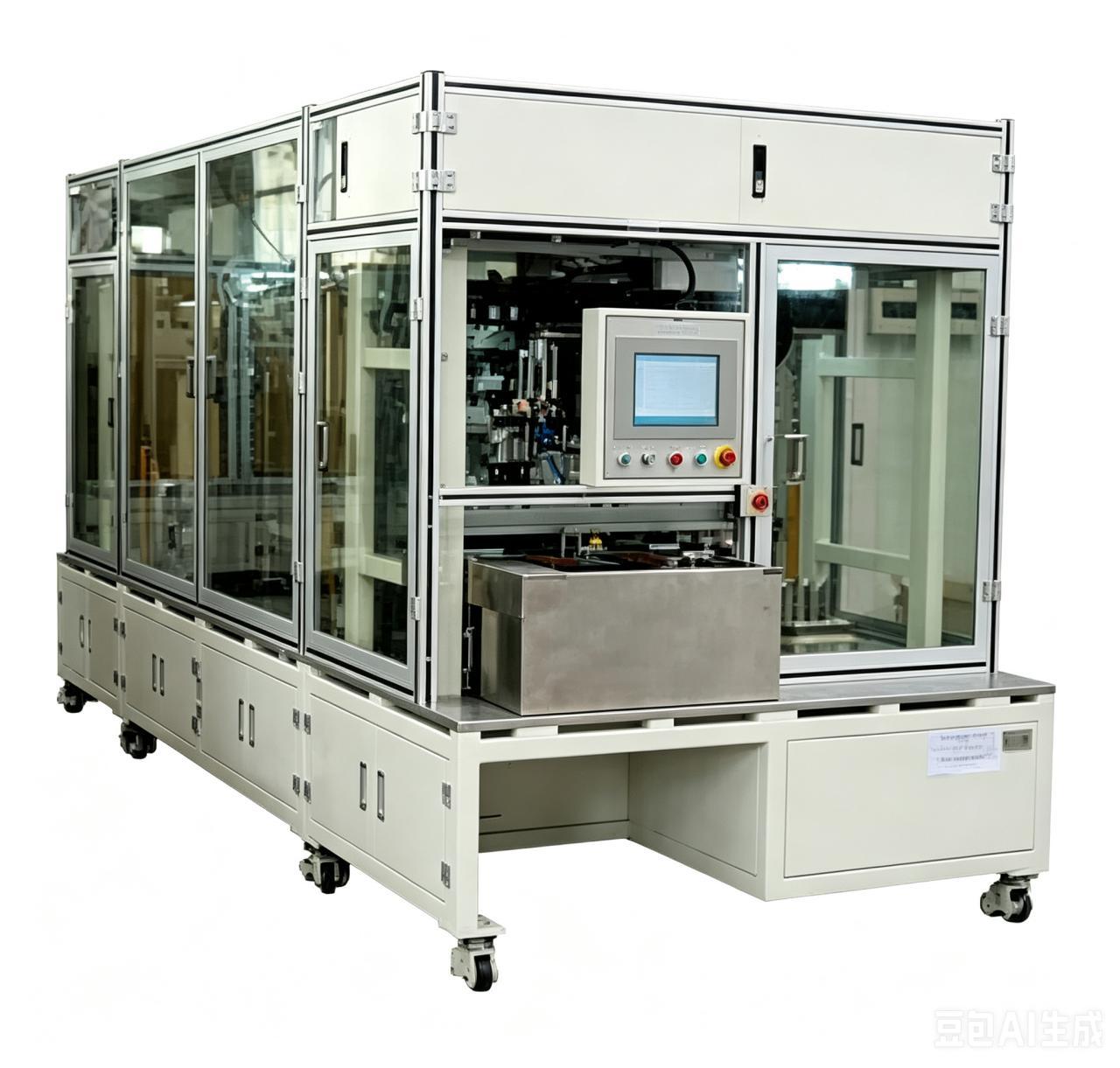
Electrolyte Injection Machine
Speed: 1-800 rpm Adjustable
Ceramic Positive Displacement Injection Pump (Rotary & Reciprocating Type)
Adjustable Filling Volume: 0-2.4mL
The electrolyte filling machine is used to precisely inject electrolyte into pouch cells. It ensures accurate dosing and uniform distribution based on the required filling volume and process conditions.
| Model |
Manual Filling Machine |
Automatic Filling Machine |
| Filling Range |
0-2.4mL adjustable |
0-50 mL |
| Stroke Number |
1-9999 times |
250000 times |
| Reference Picture |
 |
 |
| Customized |
Customized |
Customized |
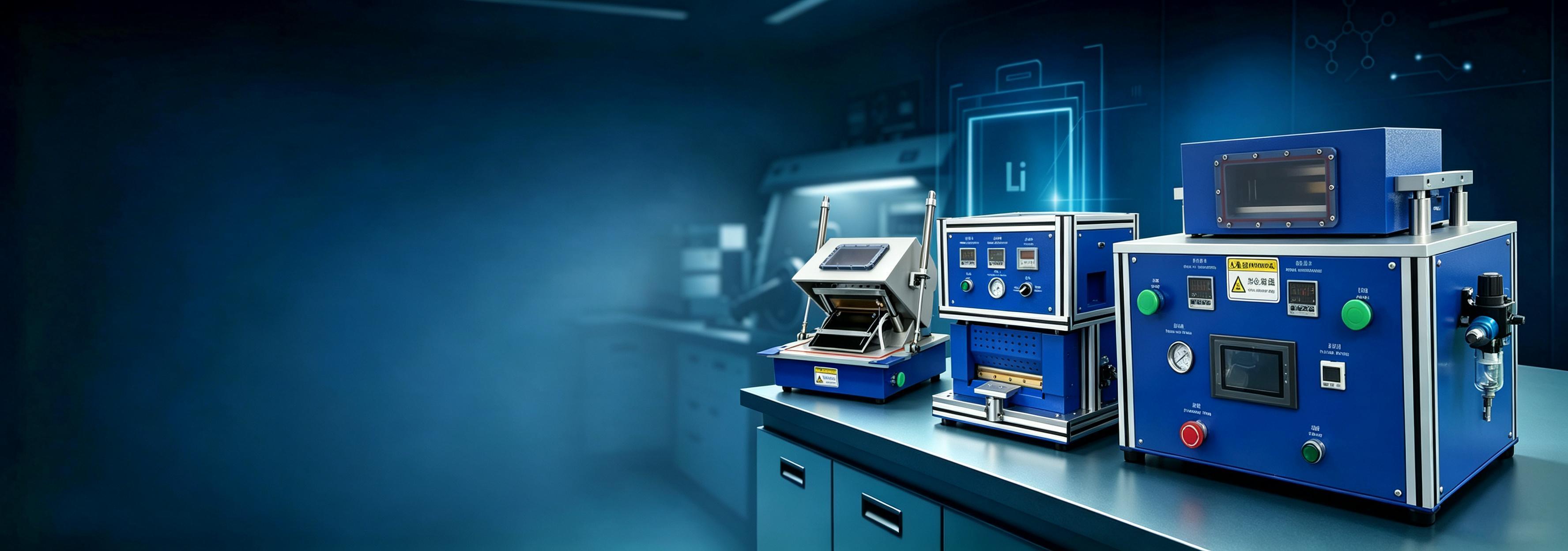
Sealing Machine
Top & Side Sealing / Pre-sealing / Final Sealing
200mm / 300mm / Custom Sealing Length
Adjustable Pressure Control
Adjustable Heat Sealing Time Setting
The aluminum laminated film heat sealing process is a key step in lithium-ion battery packaging. It ensures reliable encapsulation of the cell and directly affects battery safety, sealing performance, and cycle life.
The sealing process is typically divided into three stages: top/side sealing, pre-sealing, and final sealing.
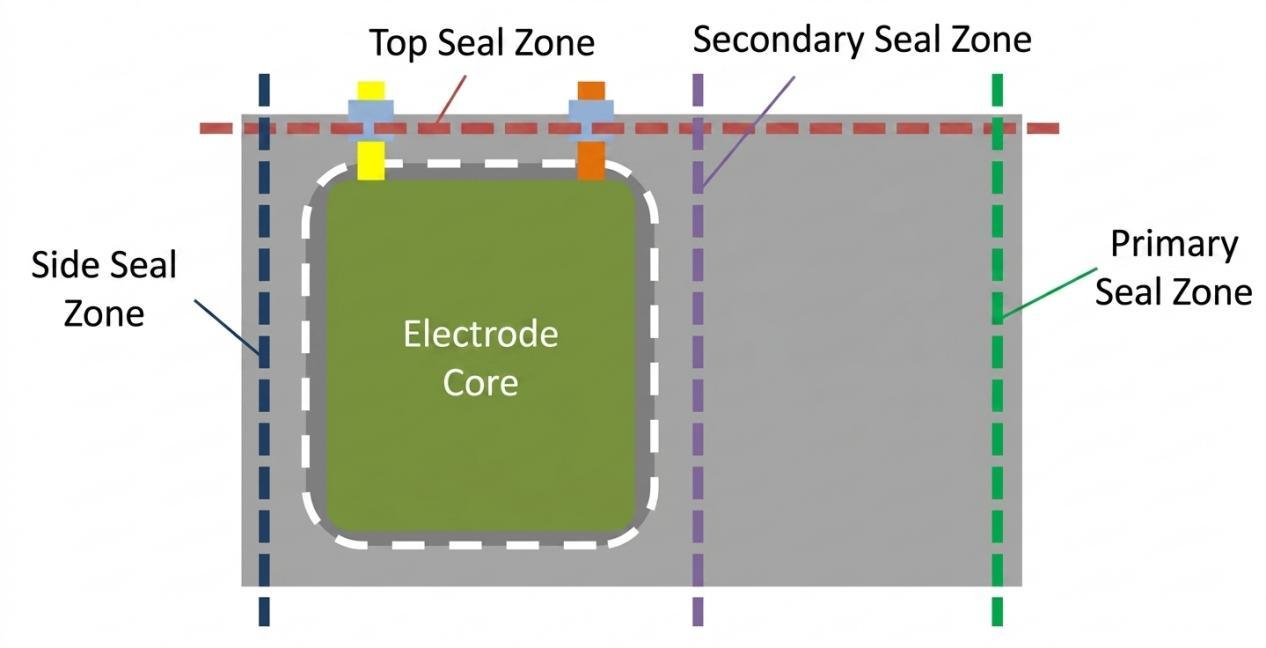
- 1.The electrode assembly with tabs is accurately placed into the pre-cut aluminum laminated film pouch cavity.
- 2.After loading the cell, the pouch is folded so that the inner layers face each other and fully wrap the battery core.
- 3.A heat sealing machine applies constant temperature and pressure along the sealing lines. The inner layers are melted and bonded together to complete top sealing and side sealing. (Top & Side Sealing Machine)
- 4.Electrolyte is then injected into the cell, followed by formation and aging processes.
- 5.A vacuum pre-sealing machine is used to evacuate air and perform preliminary sealing. (Pre-Sealing Machine)
- 6.The final step is secondary sealing and trimming of the gas chamber. (Final Sealing Machine)
| Machine |
Function |
Features |
Reference Picture |
| Top & Side Sealing Machine |
Top edge and side edge sealing |
Suitable as sealing for solid-state batteries |
 |
| Pre-Sealing Machine |
First sealing after electrolyte filling |
Suitable for solid-state batteries; can also serve as final sealing for liquid-electrolyte batteries without needle puncture |
 |
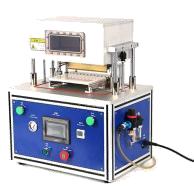
| Final Sealing Machine |
Second sealing after formation |
With needle puncture function to release gas chamber before final sealing |
 |
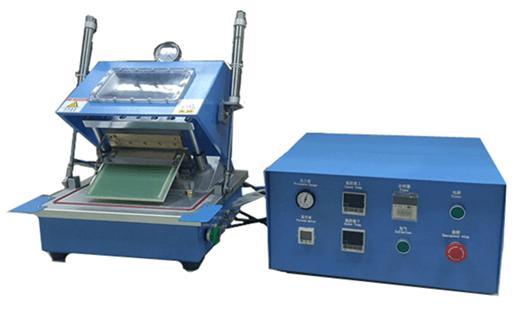
| 3-in-1 Sealing Machine |
Integrated top/side sealing, vacuum standing, pre-sealing |
Highly integrated, most common customer selection |
 |
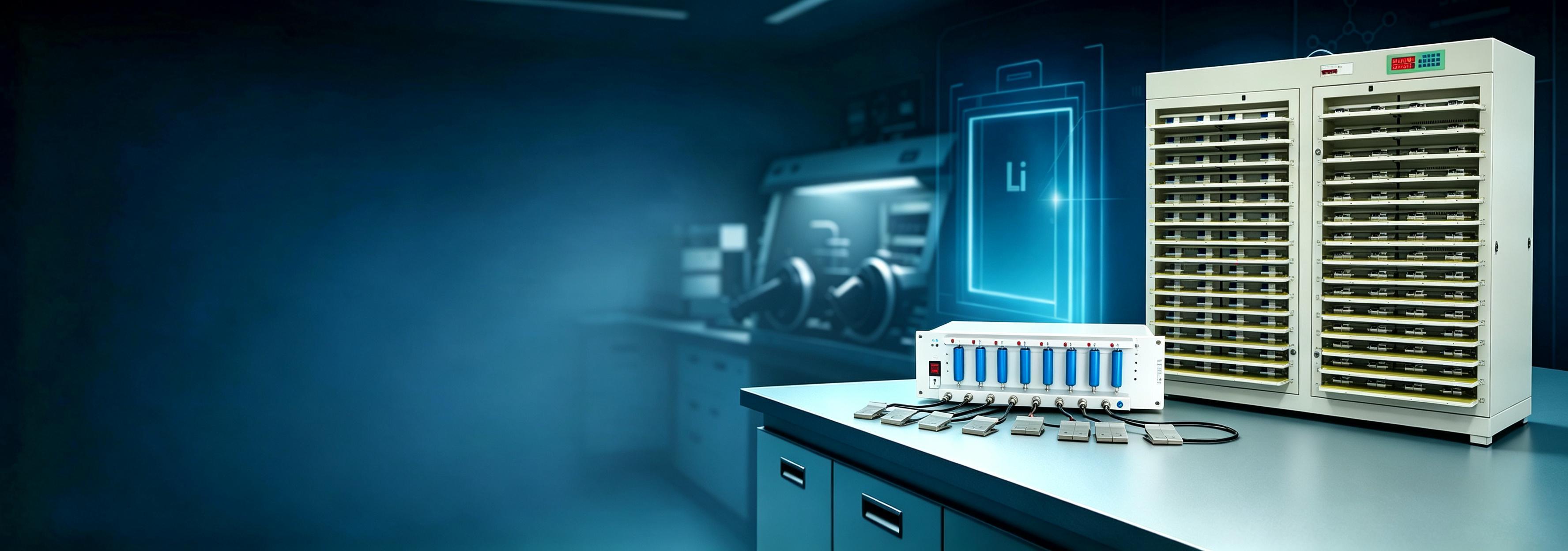
Formation & Grading Machine
5V 6A / 10A / 20A Options Available
8 /16 / 32 / 48 / 64 / 128 / 160 / 256 Channels Optional
Different Fixtures Optional, Customization Available
The cell formation and grading system is used in the final stage of pouch cell production for battery activation and performance evaluation. It performs initial charging and discharging to activate the cell, stabilize electrochemical performance, and ensure consistency.
It is widely used for cell formation, capacity testing, and grading screening in lithium-ion battery R&D and production.
|
Tesing Current
|
6A / 10A / 20A / Customized
|
|
Tesing Voltage
|
5V/ 10V / 20V / Customized
|
|
Channel
|
1 / 2 / 4 / 8 / 128 / 256 / 512 / Customized
|
|
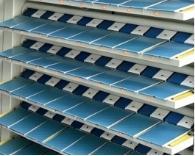
Clamp
|
 |
 English▼



 +86 13174506016
 David@tmaxcn.com

