 English▼



Produzione di batterie per auto - Guida al flusso di processo e alle attrezzature chiavi in mano
Produzione di batterie per auto elettriche - Guida ai processi e alle attrezzature
Macchinari per la produzione di batterie per EV, E-Bike e sistemi di accumulo
Linea di macchine per la produzione di celle cilindriche automatiche
fabbricazione e attrezzatura del laboratorio della batteria agli ioni di litio 18650
- Posta elettronica : David@tmaxcn.com
- Posta elettronica : Davidtmaxcn@gmail.com
- : No. 39, Xinchang Road, Xinyang, Haicang Dist., Xiamen, Fujian, China (Mainland)
blog
Battery Pack Assembly Line - Industrial Assembly System
Scaling energy storage or commercial vehicle projects often reveals bottlenecks in cell sorting, busbar joint consistency, and final validation. A misconfigured assembly system quickly leads to weld blowouts, unbalanced modules, or costly field recalls. Sourcing an industrial line requires balancing cycle times with modular footprint constraints. This guide examines how a semi-automated setup addresses these manufacturing hurdles, reviewing critical stations from sorting to aging to help engineering and procurement teams make informed technical selections.
Prismatic Cell Preparation and Automated Sorting
Cell consistency dictates the lifespan of any finished module. Minor variations in open circuit voltage (OCV) or internal resistance degrade total energy retention. Incoming prismatic cells must undergo precision sorting before physical clustering.
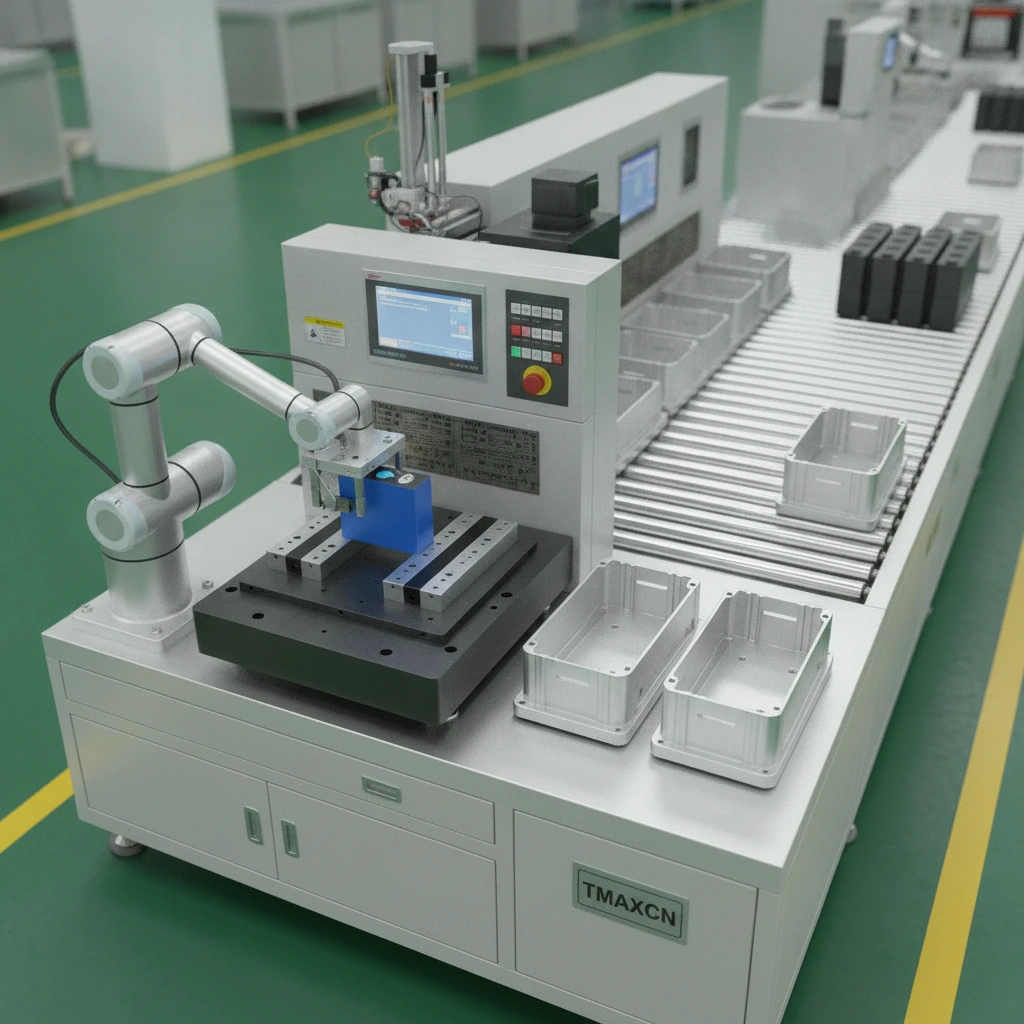
Modern handling lines deploy dynamic testing fixtures that log electrical characteristics into centralized databases. Cells move automatically across verification channels, sorting by matched capacity and resistance thresholds. Operators then position matched units onto dedicated insulation carriers. Using specialized equipment ensures stable cell grouping, protecting delicate terminals from mechanical stress prior to compression.
Precision Laser Welding and Busbar Integration
Connecting battery terminals requires consistent penetration depth and zero spatter. Thermal runaway risks escalate if excessive heat penetrates inner cell layers during busbar fusion.
Integrated laser workstations solve this challenge through dynamic beam positioning. The system clamps the prismatic cells securely to eliminate gaps between the copper or aluminum busbar and the cell pole. A vision guidance system scans coordinate points, triggering continuous fiber laser pulses that maintain mechanical strength while minimizing thermal transfer.
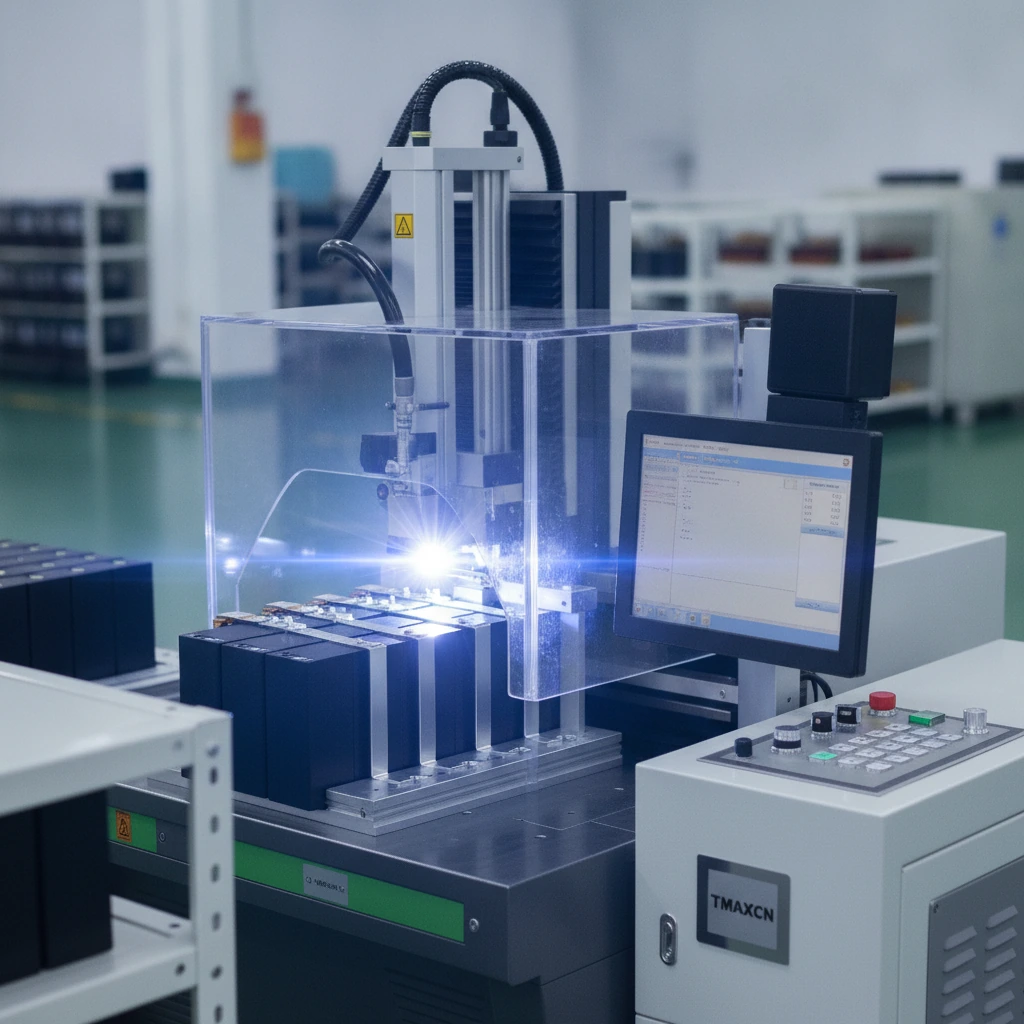
Engineering teams can evaluate multi-station configurations through our archive. Viewing these working sequences clarifies how pneumatic tooling and optical inspection coordinate in real time.
BMS Mounting and Comprehensive Validation
Following busbar joining, technicians install signal wiring harnesses and secure the Battery Management System (BMS) board. Any loose communication harness or incorrect pin assignment must be caught before outer enclosure sealing.
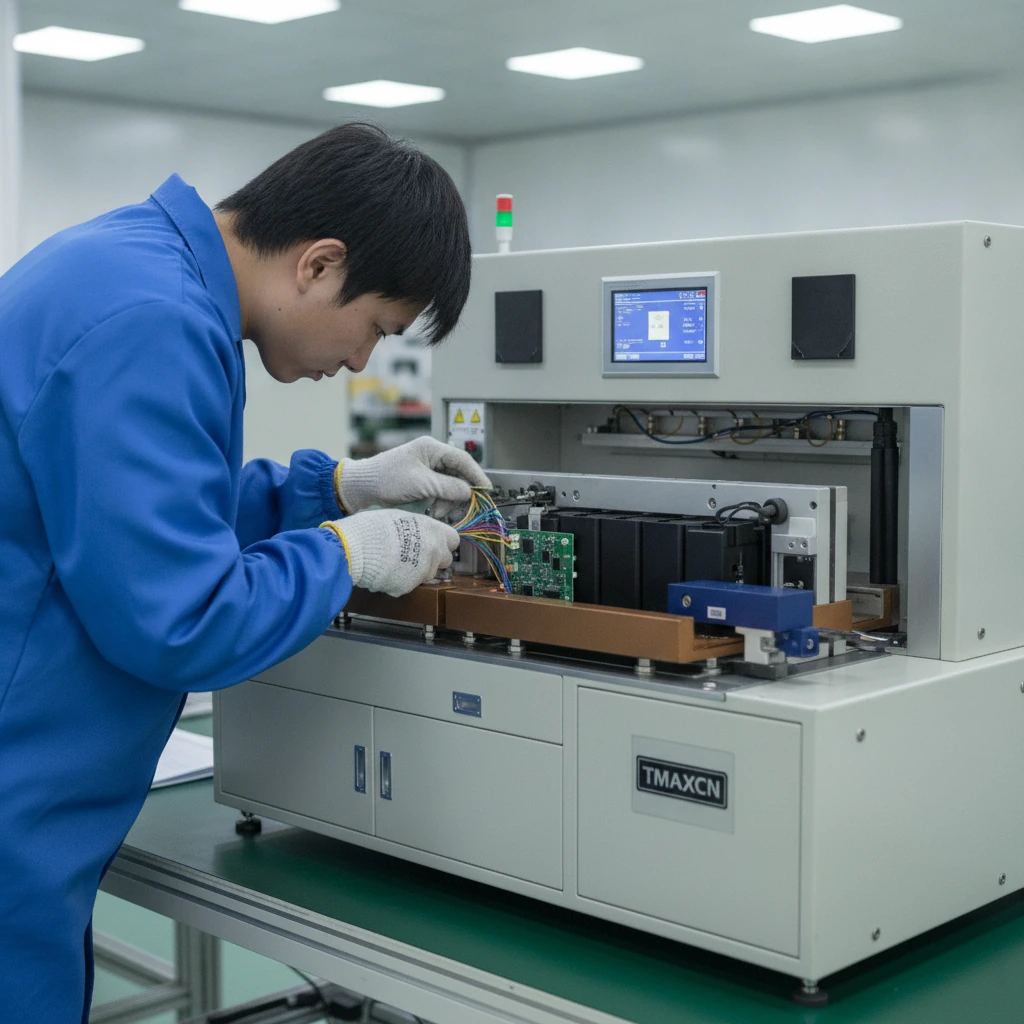
The semi-automated flow shifts packs directly onto the testing bench. High-precision hardware runs open-load measurements, temperature sensor validations, and simulated protection cutoffs. After functional verification, the pack proceeds to extended charge-discharge cabinets for cycling. Incorporating reliable engineering ensures all test logs link to batch serial numbers, providing full quality traceability.
FAQ
Can this setup handle different prismatic cell dimensions?
Yes, the tooling fixtures and pneumatic clamping mechanisms feature adjustable guide rails. Operators can reset width and height stops to accommodate standard commercial sizes without replacing primary workbenches.
What certifications apply to this lithium battery pack equipment?
The entire system complies with European safety directives and carries official CE certification. Machinery ships directly from the Xiamen production facility with complete wiring diagrams, bilingual operation manuals, and factory acceptance test documentation.
 +86 13174506016
 David@tmaxcn.com


